


search menu
play_arrow

keyboard_arrow_right

skip_previous play_arrow skip_next
00:00 00:00
playlist_play chevron_left
volume_up
chevron_left
play_arrow

August 2026

Episode: KPN 21-08-2026

Kaladan Podcast August 21, 2026


Background
share close

Loading

Rohingya genocide case: Expectations grow over ICJ final Judgment

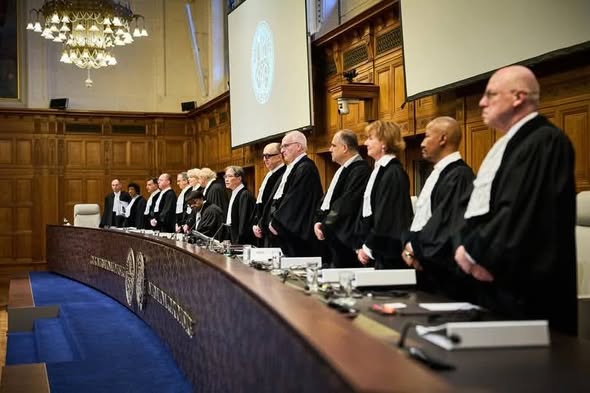
Expectations are mounting among Rohingya communities and international observers over a final judgment in the genocide case brought by The Gambia against Myanmar before the International Court of Justice (ICJ), with attention increasingly focused on when the Court may deliver its ruling and what legal consequences could follow.

The case, formally known as Application of the Convention on the Prevention and Punishment of the Crime of Genocide (The Gambia v. Myanmar), concerns allegations that Myanmar violated its obligations under the 1948 Genocide Convention in its treatment of the Rohingya.

While expectations have emerged that a judgment could be delivered later in 2026, including speculation surrounding October, the timing remains subject to the Court’s official process and should not be regarded as confirmed until announced by the ICJ.

Rohingya await outcome of landmark case

The anticipated judgment carries particular significance for Rohingya survivors and refugees, including hundreds of thousands who fled Myanmar’s Rakhine State and sought refuge in neighbouring Bangladesh.

Nearly nine years after the mass displacement of Rohingya in 2017, many survivors continue to seek justice, accountability, recognition of their rights and conditions for a safe and dignified return to their homeland.

The Gambia instituted proceedings against Myanmar at the ICJ in 2019, alleging violations of the Genocide Convention.

The case subsequently became one of the most closely watched international legal proceedings concerning the Rohingya crisis.

ICJ ordered provisional measures in 2020

On 23 January 2020, the ICJ indicated provisional measures requiring Myanmar, among other obligations, to take steps within its power to prevent acts covered by the Genocide Convention against members of the Rohingya group and to preserve evidence related to the allegations.

The provisional measures did not constitute a final determination that genocide had occurred. Rather, they were protective measures imposed while the case proceeded.

The litigation later moved beyond preliminary questions and into consideration of the merits of The Gambia’s claims.

According to the analysis underlying this report, evidence and allegations concerning Myanmar’s treatment of the Rohingya continued to develop during the years in which the case progressed.

Final ruling could address responsibility and remedies

Legal attention is now focused not only on whether the Court will find Myanmar responsible for violations of the Genocide Convention but also on what consequences or remedies could accompany such findings.

A final judgment could potentially address several legal questions, including Myanmar’s obligations under the Genocide Convention and remedies sought by The Gambia.

However, the precise findings, orders and remedies remain matters for the judges of the ICJ to determine. Predictions about compensation, specific directives or other consequences should therefore be treated as legal analysis rather than confirmed outcomes.

For Rohingya communities, a judgment establishing state responsibility under the Genocide Convention would carry substantial legal and symbolic significance.

International backing has strengthened scrutiny of Myanmar

The Rohingya case has received significant international support, including from members of the Organisation of Islamic Cooperation (OIC), as well as interventions and expressions of support involving countries from Europe and other regions.

The broad international attention surrounding the proceedings has increased diplomatic and legal scrutiny of Myanmar over its treatment of the Rohingya.

The analysis also argues that Myanmar’s relationships with powerful states such as China and Russia would not, by themselves, determine the ICJ’s judicial findings.

The ICJ is the principal judicial organ of the United Nations, while the UN Security Council is a separate political body. Permanent-member veto powers apply within the Security Council and do not function as a veto over the ICJ judges’ determination of a case.

Questions concerning implementation or enforcement of an ICJ judgment, however, can involve different mechanisms under international law and the UN system.

What could the ruling mean for Rohingya identity claims?

The case could also have broader implications for narratives surrounding Rohingya identity and belonging in Myanmar.

For decades, Myanmar authorities and Rakhine nationalist groups have frequently referred to Rohingya as “Bengalis” or portrayed them as illegal immigrants from Bangladesh rather than recognising them as an ethnic community belonging to Myanmar.

Rohingya communities strongly reject those characterisations, maintaining that they have deep historical roots in Arakan, now known as Rakhine State.

A final ICJ judgment would primarily determine Myanmar’s responsibility under the Genocide Convention rather than adjudicate every historical or citizenship dispute surrounding Rohingya identity.

Nevertheless, authoritative judicial findings concerning the Rohingya as the protected group at the centre of the Genocide Convention case could carry considerable significance in future international discussions about their protection and rights.

Expectations high, but judgment remains with the Court

For Rohingya survivors, the significance of the proceedings extends beyond legal terminology.

Many hope that an eventual judgment will strengthen international recognition of the abuses they suffered and support their long-standing demands for justice, accountability, citizenship rights and a safe, voluntary and dignified return to Myanmar.

Yet until the Court formally delivers its judgment, predictions about the outcome — including whether genocide will be legally established and what remedies may be ordered — remain predictions.

The final determination belongs to the judges of the International Court of Justice.

For a community that has spent years waiting for accountability, however, the approaching final stage of the case is being watched as a potentially historic moment.

KPN Analysis Note

This article is based on assessments and observations concerning the possible outcome of The Gambia v. Myanmar. References to a possible judgment date, findings of genocide, compensation or other remedies are expectations and legal analysis, not confirmed decisions of the ICJ. KPN will report the Court’s official judgment when it is formally delivered.

Tagged as: , , , , , , , , , , , , , , , , , , , , , , , , , , , , , , , , , , , , , , , , , .

Download now: Episode: KPN 21-08-2026

file_download Download

Rate it
Previous episode