

Episode: KPN 26-08-2026

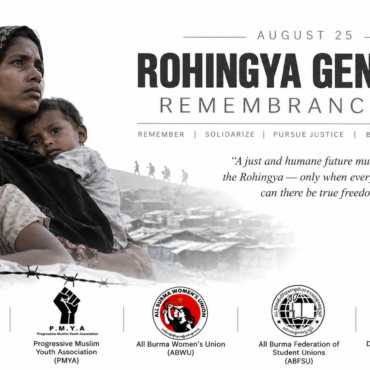
Myanmar civil society groups call for Rohingya justice and equality on Rohingya genocide remembrance day A coalition of Myanmar civil society and activist organizations marked Rohingya Genocide Remembrance Day on […]


 play_arrow
Episode: KPN 25-10-2026 Kaladan Podcast
 play_arrow
Episode: KPN 24-10-2026 Kaladan Podcast
 play_arrow
Episode: KPN 23-10-2026 Kaladan Podcast
 play_arrow
Episode: KPN 22-10-2026 Kaladan Podcast
 play_arrow
Episode: KPN 27-08-2026 Kaladan Podcast
Tens of thousands of Rohingya refugees rallied across camps in Bangladesh’s Cox’s Bazar on Tuesday, demanding international action to create conditions for their safe, voluntary and dignified return to Myanmar, nine years after hundreds of thousands were driven from their homes during the 2017 military crackdown in Rakhine State.
The rallies were held as Rohingya refugees commemorated what they call the “Ninth Anniversary of Rohingya Genocide Day,” marking August 25, 2017, when a massive Myanmar military operation triggered an unprecedented exodus across the border into Bangladesh.
Demonstrators called on the United Nations and the wider international community to help restore peace and security in Rakhine State and guarantee Rohingya rights before repatriation begins.
Rohingya Say They Want to Return — But Only in Safety
More than one million Rohingya refugees currently live in densely populated camps in and around Cox’s Bazar, while others have been relocated to Bhasan Char.
Most of those now living in the camps arrived during the 2017 exodus after Myanmar security forces launched sweeping operations in northern Rakhine State following attacks by the Arakan Rohingya Salvation Army (ARSA) on security posts.
The military operations were accompanied by widespread allegations of killings, sexual violence, village destruction and other grave human rights violations.
Bangladesh has attempted to begin repatriation on several occasions, but the initiatives failed to result in returns after refugees said conditions inside Myanmar were not safe.
Dhaka has repeatedly maintained that no Rohingya refugee will be forcibly returned.
‘We Cannot Stay Here for Another 50 Years’
Rohingya refugee leader Sayed Ullah said continuing conflict between the Arakan Army (AA) and Myanmar’s military has left refugees uncertain about when they will be able to return home.
“Whether it is the Arakan Army or the Myanmar military, as long as they continue playing this double game, the situation in Arakan, or Rakhine, will not become safe. Does that mean we are expected to remain here for another 50 years?” he said during Tuesday’s rally.
“We cannot stay here for 50 years. Given the current situation in Arakan, we need to determine how an environment conducive to peace can be created,” he added.
The comments reflect a central concern repeatedly voiced by refugees: while many want to return to their homeland, they say repatriation cannot be sustainable without security, recognition of Rohingya identity, basic rights and protection against renewed persecution.
15 Countries and EU Call for Continued Rohingya Support
As Rohingya marked the anniversary, diplomatic missions from 15 countries and the European Union issued a joint statement calling for sustained international support for Rohingya refugees and Bangladesh.
The missions said nearly 1.2 million Rohingya refugees remain in Bangladesh and praised Bangladesh and its people for providing refuge for almost a decade.
The joint statement was supported by Canada, Denmark, Finland, France, Germany, Ireland, Italy, Japan, Kosovo, the Netherlands, Norway, Spain, Sweden, Switzerland and the United Kingdom, together with the European Union.
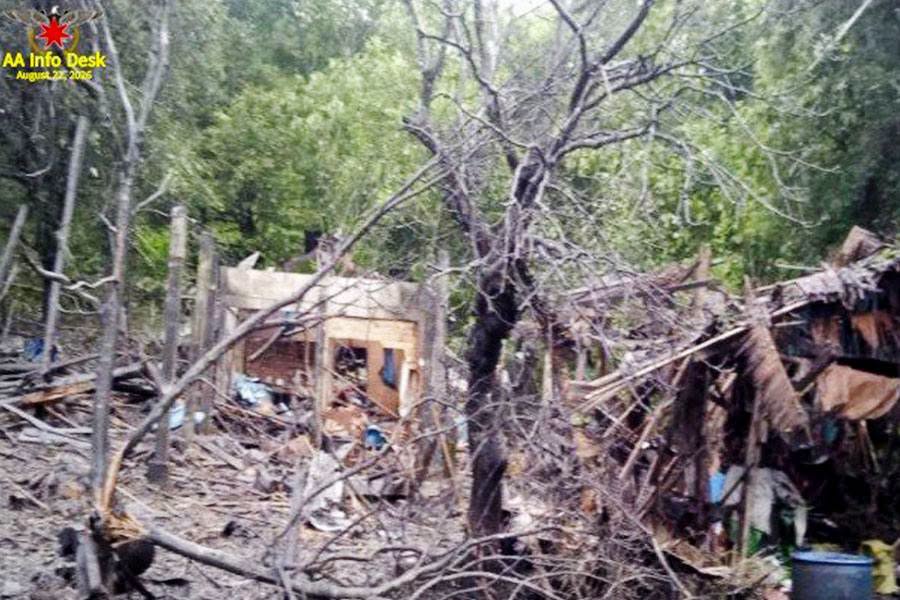
The missions expressed concern over escalating conflict in Rakhine State, including growing humanitarian needs, reported airstrikes affecting civilian infrastructure and restrictions on humanitarian assistance and trade.
They warned that the worsening situation is contributing to further displacement into Bangladesh and elsewhere in the region.
Conditions Not Yet Suitable for Sustainable Repatriation
The diplomatic missions said current conditions in Rakhine State do not allow for the “voluntary, safe, dignified and sustainable repatriation” of Rohingya refugees.
“Rohingya refugees have a right to return to their homes in Myanmar,” the group said, while warning that conflict and humanitarian needs continue to rise across Rakhine.
The position echoes long-standing demands from Rohingya refugees themselves that repatriation must include meaningful guarantees of security and fundamental rights.
Myanmar Says More Than 300,000 Refugees Verified
Earlier this month, Myanmar authorities said more than 300,000 Rohingya refugees living in Bangladesh had been identified as former residents of Rakhine State and could be accepted for return when security conditions improve.
Bangladesh, however, has disputed aspects of Myanmar’s figures and criticized Myanmar authorities’ continued refusal to formally recognize the refugees as Rohingya.
Myanmar authorities have historically referred to Rohingya as “Bengali,” terminology strongly rejected by Rohingya, who say it is intended to portray them as foreigners and deny their historical identity in Myanmar.
No large-scale repatriation has taken place since the 2017 exodus.
Rakhine Conflict Deepens Uncertainty Over Return
Prospects for repatriation have become increasingly complicated as fighting between the Arakan Army and Myanmar’s military has transformed the security and political landscape across Rakhine State.
The Arakan Army has gained control over large areas of the state during its conflict with Myanmar’s military, raising new questions about security arrangements, governance and guarantees required for Rohingya refugees to return.
For refugees in Bangladesh, the issue is not simply crossing the border back into Myanmar but whether they can return to their original communities with safety, freedom of movement, legal protection and recognition of their identity.
ICJ Genocide Case Remains in International Spotlight
The anniversary also comes as Myanmar continues to face proceedings at the International Court of Justice (ICJ) over allegations that it violated the Genocide Convention in its treatment of the Rohingya.
During hearings in January, the court examined evidence and testimony concerning allegations of mass killings, systematic sexual violence and the destruction of Rohingya villages during the 2017 military operations.
Myanmar has rejected allegations that its campaign amounted to genocide, maintaining that its security operations were directed against militants.
The 2017 violence drove more than 700,000 Rohingya into Bangladesh, joining hundreds of thousands who had already fled earlier waves of persecution and violence in Myanmar.
Nine years later, Rohingya refugees gathering in the camps say their central demand remains unchanged: they want to return home, but only when they can do so voluntarily, safely, with dignity and with guarantees that their rights will be protected.


Myanmar civil society groups call for Rohingya justice and equality on Rohingya genocide remembrance day A coalition of Myanmar civil society and activist organizations marked Rohingya Genocide Remembrance Day on […]


