

Episode: KPN 21-10-2026

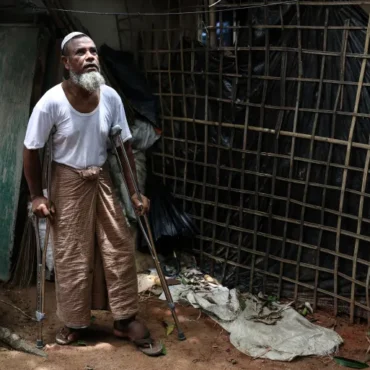
Malaysian police investigate Molotov cocktail attack on Rohingya settlement in Johor Malaysian police have opened two investigation papers after a Molotov cocktail was thrown at a Rohingya settlement in Kulai, […]


 play_arrow
Episode: KPN 25-10-2026 Kaladan Podcast
 play_arrow
Episode: KPN 24-10-2026 Kaladan Podcast
 play_arrow
Episode: KPN 23-10-2026 Kaladan Podcast
 play_arrow
Episode: KPN 22-10-2026 Kaladan Podcast
play_arrow
Episode: KPN 22-10-2026 Kaladan Podcast
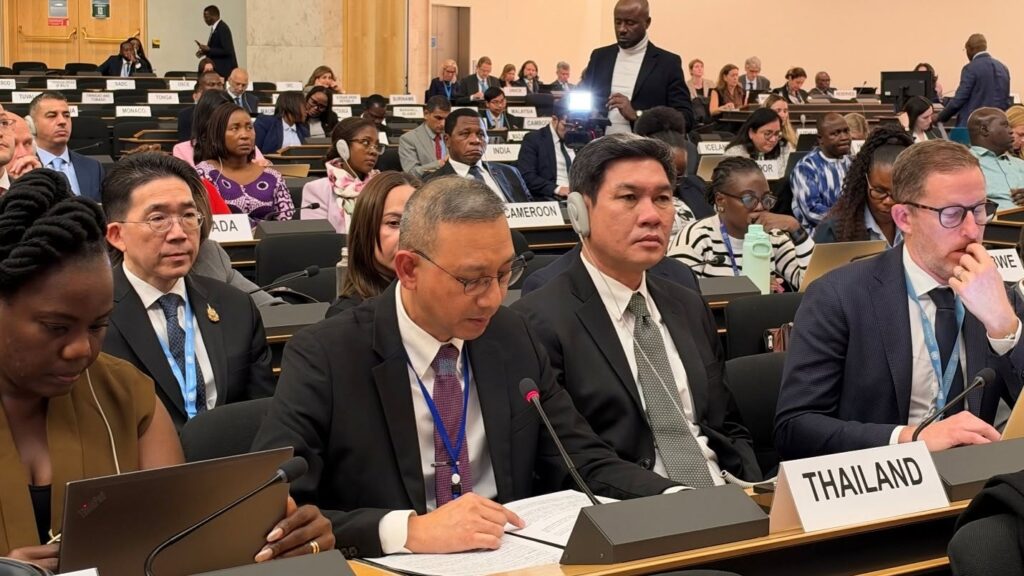
Thailand has highlighted a pilot initiative providing community-based care for Rohingya children as part of a broader set of refugee and protection measures presented at the 77th Session of the Executive Committee of the United Nations High Commissioner for Refugees (UNHCR) in Geneva.
The initiative was among measures outlined by Thailand during the UNHCR Executive Committee session, held at the United Nations Office in Geneva from October 12 to 16, 2026.
Thailand also highlighted policies aimed at helping displaced people from Myanmar become more self-reliant, accelerating solutions for stateless people and strengthening access to protection through the country’s National Screening Mechanism.
Thailand highlights Rohingya child protection initiative
Thailand’s pilot community-based care initiative for Rohingya children was presented as one of the country’s measures concerning refugees and people requiring international protection.
Community-based care can provide an alternative to institutional or detention-based arrangements by placing children in environments where their protection and welfare can be supported within communities.
The initiative is particularly relevant to Rohingya children, who may face heightened protection risks after displacement from Myanmar and during movement through countries in Southeast Asia.
Details on the number of Rohingya children covered by the pilot programme, its locations and the timeframe for wider implementation were not provided in the information presented.
Thailand calls for international responsibility-sharing
On October 12, Lt. Gen. Chumphot Nurakkate, director of the Department of Border Affairs at the Royal Thai Armed Forces Headquarters, delivered Thailand’s statement during the general debate.
He reaffirmed Thailand’s commitment to cooperation with UNHCR and the international community on sharing the burden and responsibility of responding to refugees and displaced populations.
Thailand raised the issue at a time when humanitarian agencies are confronting multiple crises alongside constraints on international humanitarian funding.
The country said continued cooperation among governments, UN agencies and international partners remains important as humanitarian needs increase.
Myanmar displaced people to be allowed to seek work
Thailand also highlighted efforts to increase self-reliance among displaced people from Myanmar living in temporary shelters in the country.
Under the policy, eligible displaced people will be able to seek employment outside the shelters, giving them greater opportunities to support themselves and their families.
Thailand said a roadmap has been developed to facilitate implementation of the employment policy.
The measure could mark an important shift for people who have spent prolonged periods in temporary shelters with restricted livelihood opportunities.
Thailand cites steps to tackle statelessness
Thailand also used the Geneva meeting to outline measures aimed at reducing statelessness.
The delegation cited a 2024 Cabinet resolution intended to accelerate access to permanent residency and nationality, along with an extension of the resolution’s implementation period.
Thailand has also adopted an action plan aimed at resolving statelessness, according to the statement.
Statelessness can leave people without recognised nationality and restrict access to education, formal employment, freedom of movement and other basic rights and services.
For Rohingya, statelessness remains a central element of their decades-long crisis after successive Myanmar authorities denied the community recognition and citizenship rights.
National Screening Mechanism to be strengthened
Thailand further reaffirmed its commitment to providing appropriate assistance to people requiring protection through its National Screening Mechanism.
The government said it would continue working to strengthen the mechanism.
Thailand introduced the screening system to identify people who may require international protection despite the country not being a party to the 1951 Refugee Convention.
The effectiveness of protection mechanisms is particularly significant for refugees and other displaced people moving through Southeast Asia, including Rohingya fleeing persecution, insecurity and prolonged displacement.
Thailand’s presentation in Geneva linked the community-based care pilot for Rohingya children with broader efforts concerning displaced people from Myanmar, statelessness, livelihoods and access to protection.
The measures come as governments and humanitarian organisations across the region face continued pressure to provide protection to displaced populations while international humanitarian funding remains constrained.


Malaysian police investigate Molotov cocktail attack on Rohingya settlement in Johor Malaysian police have opened two investigation papers after a Molotov cocktail was thrown at a Rohingya settlement in Kulai, […]