
Episode: KPN 23-10-2026

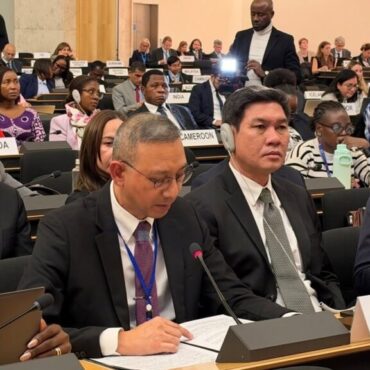
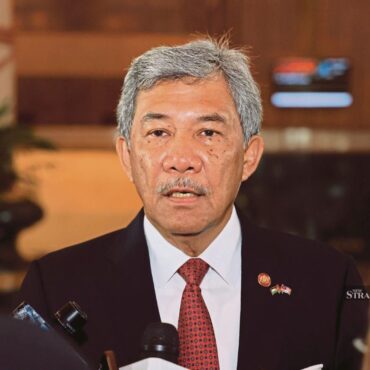
Malaysia says Myanmar must address root causes of Rohingya crisis for lasting solution Malaysia has said responsibility for resolving the prolonged Rohingya crisis cannot fall on host countries alone, stressing […]


 play_arrow
Episode: KPN 25-10-2026 Kaladan Podcast
 play_arrow
Episode: KPN 24-10-2026 Kaladan Podcast
 play_arrow
Episode: KPN 23-10-2026 Kaladan Podcast
 play_arrow
Episode: KPN 22-10-2026 Kaladan Podcast
play_arrow
Episode: KPN 24-10-2026 Kaladan Podcast
Healthcare services in Bangladesh’s Rohingya refugee camps are contracting under a deepening funding shortage even as the refugee population continues to grow, reducing the number of health facilities, medical workers and vaccination centres and raising concerns over disease risks in some of the world’s most densely populated refugee settlements.
According to figures from the Office of the Refugee Relief and Repatriation Commissioner (RRRC), funding for the health sector stood at about $81 million in 2021, when the Rohingya population was around 850,000.
By 2025, health funding had fallen to $49.9 million, while the refugee population had approached 1.2 million.
The figures represent a funding decline of about 39 percent alongside population growth of more than 40 percent, placing increasing pressure on healthcare infrastructure and workers serving the camps.
Health facilities fall from 168 to 118
The Rohingya camps currently have 118 health facilities and 40 nutrition centres, according to the figures.
The healthcare network includes six 24-hour field hospitals, 46 primary healthcare centres, 59 health posts and three diarrhoea treatment centres.
In 2021, however, there were 168 health facilities and 59 nutrition centres.
The figures indicate that the number of health facilities has fallen by 50 since 2021.
Funding shortages have accelerated the contraction. Since 2024, 16 health posts and six primary healthcare centres have closed, while three additional health posts are scheduled to close this month.
The healthcare workforce has also fallen sharply, from more than 5,200 workers in 2021 to just over 3,500.
The remaining workforce includes 395 doctors, 380 nurses, 221 paramedics and 292 midwives, according to the data.
Growing population squeezed into same camp area
The reduction in health services comes as the Rohingya population continues to grow within an already heavily congested camp environment.
Around 750,000 Rohingya fled to Cox’s Bazar during the 2017 Myanmar military crackdown, joining refugees who had arrived during previous waves of persecution.
Bangladesh allocated nearly 8,000 acres of hilly and forest land in Ukhiya and Teknaf to accommodate the displaced population.
While the camp population has since approached 1.2 million because of births and additional arrivals, the available land has not expanded proportionately.
An estimated 216,000 children have been born in the camps since 2017.
Population density is now estimated at around 38,000 people per square kilometre, increasing the potential for infectious diseases to spread rapidly.
Vaccination centres decline as disease risks persist
Public-health specialists have warned that severe overcrowding, limited sanitation and high population mobility can make refugee settlements particularly vulnerable to communicable disease outbreaks.
Dengue, measles, rubella and cholera remain among the diseases requiring surveillance and vaccination in the camps, while maintaining polio prevention is also considered essential.
But the number of Expanded Programme on Immunization (EPI) centres serving the camps has declined from 195 in 2021 to 114.
Despite the reduction, childhood vaccination coverage has improved significantly.
Vaccination coverage among children aged up to 24 months increased from 16 percent in 2018 to 82 percent in 2025, compared with about 90 percent nationally, according to the figures.
Special vaccination campaigns targeting polio, cholera, diphtheria, measles and rubella are also continuing.
Hepatitis C emerges as major health concern
Hepatitis C has become one of the most serious health concerns facing the Rohingya refugee population.
Official records cited in the data show around 102,000 hepatitis C infections in Cox’s Bazar district, with the overwhelming majority reported among Rohingya.
About one in five Rohingya adults is estimated to be infected, while approximately 60,000 patients have received antiviral treatment.
Treatment costs can reach around Tk100,000 per person, putting it beyond the reach of many refugees without humanitarian healthcare support.
Research by the International Centre for Diarrhoeal Disease Research, Bangladesh (icddr,b), published in May, found viral hepatitis prevalence among Rohingya refugees at 18.97 percent, with hepatitis C accounting for 17.24 percent.
Among Bangladeshis living in Ukhiya and Teknaf, hepatitis C prevalence was reported at 2.3 percent, compared with a national prevalence of around 1.1 percent.
Nearly 1,000 Rohingya living with HIV
Official records also show 1,163 people living with HIV in Cox’s Bazar, including 998 Rohingya.
Dr Md Sarwar Jahan, assistant health coordinator at the RRRC office, linked the high prevalence of hepatitis C among Rohingya to several potential historical transmission routes, including syringe reuse, unsafe traditional medical practices, unsafe childbirth procedures and inadequately screened blood transfusions in Myanmar.
He said evidence of infections among Bangladeshis in surrounding communities underlined the importance of maintaining surveillance, prevention and treatment.
“If funding for healthcare under the Rohingya management programme declines, the entire public health sector will become vulnerable,” Jahan warned.
Rohingya refugees and surrounding host communities regularly interact through informal employment and other activities, making effective disease surveillance and treatment important beyond the boundaries of the camps.
Nutrition services also under pressure
Funding shortages are also affecting nutrition programmes.
Forty Infant and Young Child Feeding centres currently operate across the camps, while the World Food Programme provides nutritious food for malnourished children and pregnant and breastfeeding women.
As funding declines, some health and nutrition services are being integrated, raising concerns about whether existing service quality and coverage can be maintained with fewer resources.
Nutrition indicators have nevertheless shown improvement in recent years.
Severe acute malnutrition declined from 5.2 percent in 2018 to 2.7 percent in 2024, while moderate acute malnutrition fell from 16.8 percent to 13.6 percent.
However, overall acute malnutrition remains high at approximately 15.1 percent.
RRRC warns of wider public-health consequences
Refugee Relief and Repatriation Commissioner Mohammed Mizanur Rahman warned that continued reductions in healthcare funding could have severe consequences for both refugees and the wider public-health system.
“Reducing the scope of healthcare means pushing a population that has survived genocide and lives in densely populated refugee camps towards extinction,” Rahman said.
He also warned that the high prevalence of hepatitis C could become a major health threat if prevention and treatment are not adequately maintained.
The decline in humanitarian funding has increasingly forced agencies working in the Rohingya response to make difficult decisions over staffing, facilities and services.
With nearly 1.2 million Rohingya living in densely populated settlements, health officials warn that further reductions could weaken disease surveillance and treatment at a time when the camps remain vulnerable to outbreaks.
The funding figures also underline a widening imbalance in the humanitarian response: while the Rohingya population has grown by more than 40 percent since 2021, resources available for healthcare have moved sharply in the opposite direction.
Key Facts



Malaysia says Myanmar must address root causes of Rohingya crisis for lasting solution Malaysia has said responsibility for resolving the prolonged Rohingya crisis cannot fall on host countries alone, stressing […]