

Episode: KPN 22-08-2026

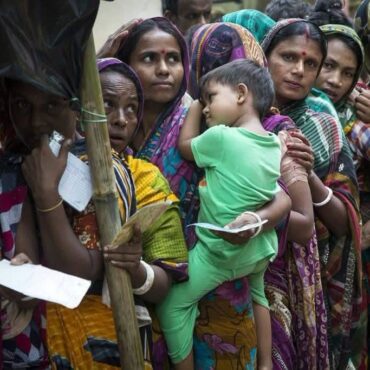
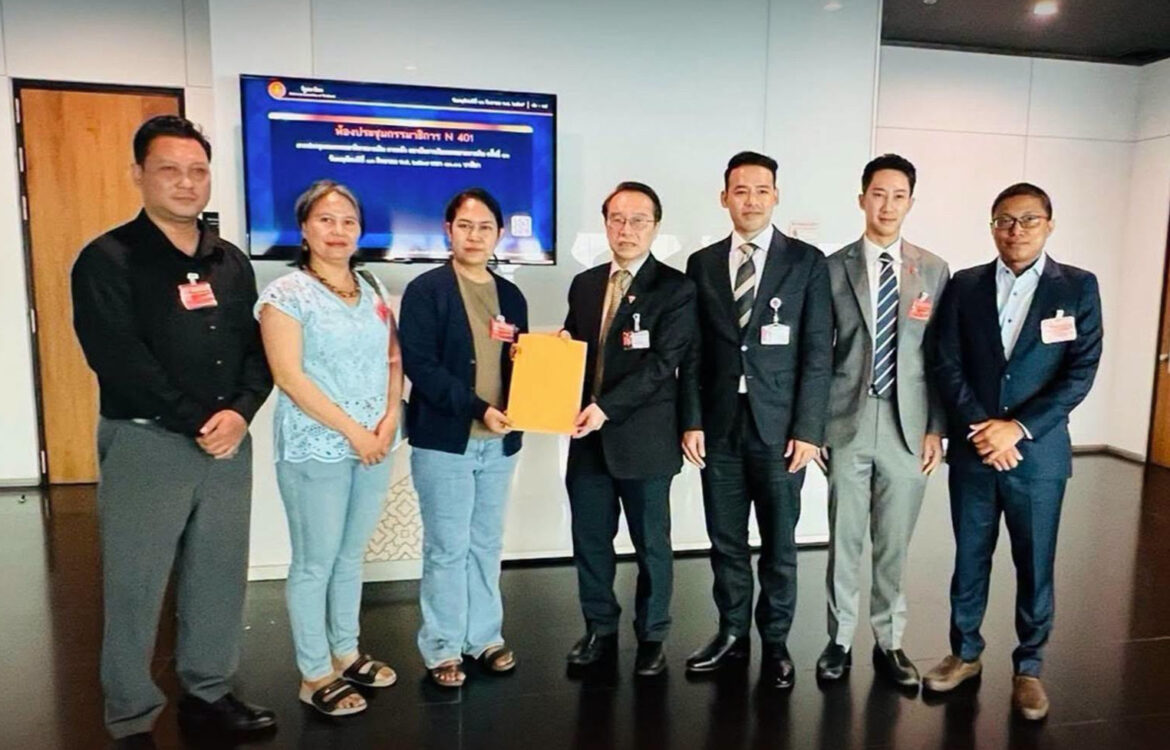
Bangladesh rejects Myanmar claim that only 540,000 Rohingya fled in 2016–17 Bangladesh has rejected Myanmar’s claim that only 540,000 people crossed into the country during the 2016–2017 Rohingya crisis, disputing […]


 play_arrow
Episode: KPN 30-09-2026 Kaladan Podcast
 play_arrow
Episode: KPN 29-09-2026 Kaladan Podcast
 play_arrow
Episode: KPN 28-09-2026 Kaladan Podcast
 play_arrow
Episode: KPN 27-09-2026 Kaladan Podcast
 play_arrow
Episode: KPN 23-08-2026 Kaladan Podcast
Government officials, humanitarian leaders and Rohingya advocates have called for stronger, better coordinated and sustained international action as the Rohingya crisis enters its ninth year, warning that declining global attention and shrinking humanitarian funding are placing growing pressure on refugees and Bangladesh.
The appeal was made at “Confluence 2026: A Convening of Partnership, Appreciation and Commitment,” organised by the International Rescue Committee (IRC) at a hotel in Dhaka on Saturday.
The event was held ahead of the ninth anniversary of the mass displacement of Rohingya from Myanmar in August 2017, when hundreds of thousands fled violence and persecution in Rakhine State and sought refuge in Bangladesh.
Call for International Pressure on Myanmar
Speaking as chief guest, State Minister for Foreign Affairs Humaiun Kobir said the international community needed to act collectively to create conditions for the Rohingya to return safely and with dignity.
“The international community must work collectively to create meaningful pressure on Myanmar to ensure the sustainable and dignified return of the Rohingya to their country,” he said.
Bangladesh has repeatedly called for greater international diplomatic engagement with Myanmar, maintaining that repatriation remains the long-term solution to the crisis.
However, no large-scale voluntary repatriation has taken place since the 2017 influx.
Shrinking Funds, Declining Global Attention
Humanitarian agencies also raised concerns over declining donor support and the risk that the Rohingya crisis is becoming increasingly overshadowed by other global emergencies.
Hasina Rahman, IRC Deputy Regional Director for Asia, warned that reduced funding could have serious consequences for protection and assistance in the refugee camps.
“With funds shrinking and global attention drifting elsewhere from this crisis, we must plan together, prioritise protection and the most vulnerable,” she said.
The Rohingya humanitarian response has faced increasing funding pressure in recent years, affecting food assistance, education, protection, healthcare and other essential services in the camps.
For humanitarian organisations, the challenge is no longer only sustaining emergency relief but adapting the response to a crisis that has become increasingly protracted.
Peace and Security in Rakhine Seen as Essential
Rohingya representatives at the event stressed that any return process must be preceded by credible improvements in security and political conditions inside Rakhine State.
Rohingya human rights advocate Lucky Karim said peace and stability must be established before repatriation can be considered viable.
“Before any repatriation process can begin, the international community must work to establish peace, security and stability in Rakhine,” Karim said.
Rohingya refugees have consistently called for any repatriation to be voluntary, safe, dignified and sustainable, with guarantees of citizenship, freedom of movement, security and basic rights.
Two Panels Discuss Future of Rohingya Response
The programme included two panel discussions bringing together representatives from the Bangladesh government, donor agencies, humanitarian organisations, Rohingya and host communities, and academia.
Participants discussed how to build a shared vision for the future of the Rohingya response, including stronger protection mechanisms, sustainable humanitarian financing, greater international burden-sharing and renewed diplomatic efforts.
The discussions also highlighted the importance of ensuring that Rohingya voices remain part of decision-making on issues directly affecting their future.
Ninth Anniversary Brings Renewed Questions
The anniversary comes at a critical moment for the Rohingya response.
Nearly nine years after the 2017 exodus, the crisis remains unresolved, while humanitarian needs continue and conditions for large-scale return remain uncertain.
Bangladesh continues to host a massive refugee population in Cox’s Bazar and on Bhasan Char while also facing pressure on local infrastructure, the environment and surrounding host communities.
At the same time, aid agencies have repeatedly warned that declining international funding risks undermining essential assistance.
Participants at Confluence 2026 therefore called for the Rohingya crisis to remain firmly on the international agenda.
Their message was clear: humanitarian assistance alone cannot provide a durable solution.
Sustained funding, meaningful diplomatic pressure on Myanmar, protection of refugee rights and stronger international cooperation will all be necessary if the Rohingya crisis is to move beyond indefinite displacement.


Bangladesh rejects Myanmar claim that only 540,000 Rohingya fled in 2016–17 Bangladesh has rejected Myanmar’s claim that only 540,000 people crossed into the country during the 2016–2017 Rohingya crisis, disputing […]


