

Episode: KPN 11-08-2026

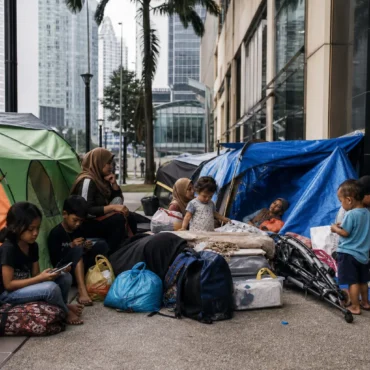
Anti-Rohingya hostility forces more than 100 refugees from Malaysian village More than 100 Rohingya refugees were forced to leave their homes in Kuala Muda, Penang, after local residents displayed signs […]


 play_arrow
Episode: KPN 30-09-2026 Kaladan Podcast
 play_arrow
Episode: KPN 29-09-2026 Kaladan Podcast
 play_arrow
Episode: KPN 28-09-2026 Kaladan Podcast
 play_arrow
Episode: KPN 27-09-2026 Kaladan Podcast
 play_arrow
Episode: KPN 12-08-2026 Kaladan Podcast
Malaysia must ensure that any plan to return 5,000 refugees to Myanmar is voluntary and based on individual risk assessments so that no person is sent back to persecution or serious harm, Malaysian Bar Council president Anand Raj has said.
The warning follows an announcement by Foreign Minister Datuk Seri Mohamad Hasan that Myanmar had expressed readiness to receive 5,000 refugees identified by Malaysia for repatriation, with arrangements reportedly including transportation to Myanmar by ship.
The proposed group consists of refugees from different ethnic communities in Myanmar and is not limited to Rohingya, according to the foreign minister.
Against continuing conflict and insecurity in Myanmar, the Bar Council said each refugee’s circumstances must be assessed separately before any return takes place.
Bar Council Calls for Safe, Voluntary and Dignified Returns
“The Bar Council calls upon the government to ensure that any proposal to return the 5,000 Rohingya refugees is based upon individual risk assessment to guarantee that any returns are voluntary, informed, safe and dignified,” Anand said in a statement.
The Bar Council president stressed that Malaysia must uphold the international legal principle of non-refoulement, which prohibits returning people to a place where they could face threats to their life, freedom or physical safety.
He also called for a refugee-protection framework that respects fundamental rights and is developed through meaningful consultation with refugee communities, the United Nations High Commissioner for Refugees (UNHCR) and civil society organisations.
Government Urged to Disclose Repatriation Terms
Anand called on the Malaysian government to make public the key terms of its reported repatriation arrangement with Myanmar.
He said authorities should provide information about how refugees would be screened, how individual risks would be assessed and what safeguards would be put in place before anyone is returned.
Such assessments are particularly important because refugees from Myanmar come from different ethnic and political backgrounds and may face different levels and forms of risk if returned.
The Bar Council’s position is that repatriation should not be carried out collectively without examining each individual’s protection needs.
Non-Refoulement at Centre of Legal Concern
The principle of non-refoulement is central to the Bar Council’s concerns.
Malaysia is not a state party to the 1951 Convention Relating to the Status of Refugees or its 1967 Protocol.
However, Anand argued that this does not remove Malaysia’s responsibility to respect non-refoulement.
“It does not matter that Malaysia is not a State Party to the 1951 Convention Relating to the Status of Refugees or its 1967 Protocol,” he said.
Anand said non-refoulement is widely recognised under international law and is increasingly regarded as a fundamental legal rule that states cannot simply disregard.
The Bar Council further argued that the principle is increasingly recognised as jus cogens, referring to a peremptory norm of international law from which no derogation is permitted.
That characterization remains a matter of international legal analysis, but the Bar Council said Malaysian courts could eventually be asked to determine the principle’s binding effect domestically.
Malaysia Previously Recognised Non-Refoulement, Bar Council Says
The Bar Council also pointed to Malaysia’s previous public position on forced refugee returns.
Anand cited a 2015 Dewan Rakyat Hansard in which then Minister in the Prime Minister’s Department Datuk Seri Shahidan Kassim said refugees would not be forcibly returned to their countries of origin.
According to Anand, this demonstrated that the Malaysian government had itself acknowledged and accepted the principle of non-refoulement since at least 2015.
“As the principle of non-refoulement is increasingly recognised as a rule of jus cogens which is binding upon Malaysia, it is only a matter of time before the Malaysian courts would be called upon to apply non-refoulement as a binding principle of international law,” he said.
Bar Council Calls for Continued UNHCR Role
The Bar Council also urged Malaysia to maintain cooperation with UNHCR as the government moves towards its own Refugee Documentation Registration Programme.
Anand said there should be no interruption to UNHCR’s refugee status determination process during the transition.
The call reflects broader concern over ensuring that refugees and asylum seekers continue to have access to protection procedures while Malaysia develops its domestic documentation system.
The Bar Council said a sustainable refugee framework should involve meaningful engagement not only with international organisations but also with refugees themselves and civil society groups working directly with affected communities.
Myanmar Says It Is Ready to Receive 5,000
Foreign Minister Mohamad Hasan said Myanmar had informed Malaysia that it was prepared to take back 5,000 refugees selected for repatriation.
According to the foreign minister, arrangements could include transporting the group to Myanmar by ship.
The 5,000 people are from various ethnic communities in Myanmar and are not exclusively Rohingya, an important distinction from some earlier descriptions of the proposed return.
The announcement nevertheless raises significant protection questions because security conditions and individual risks differ substantially across Myanmar.
Protection Must Come Before Repatriation
For Rohingya and other refugees from Myanmar, the debate over repatriation goes beyond transportation or immigration procedures.
The central question is whether individuals can return voluntarily, safely and with sufficient information about the conditions awaiting them.
The Bar Council’s intervention puts particular emphasis on individual assessment rather than blanket repatriation based solely on nationality or immigration status.
It also calls for transparency over Malaysia’s agreement with Myanmar and continued UNHCR involvement before any returns proceed.
As Malaysia considers the proposed repatriation of 5,000 people, the Bar Council maintains that protection against persecution and serious harm must remain the determining factor in deciding whether any individual can be returned.
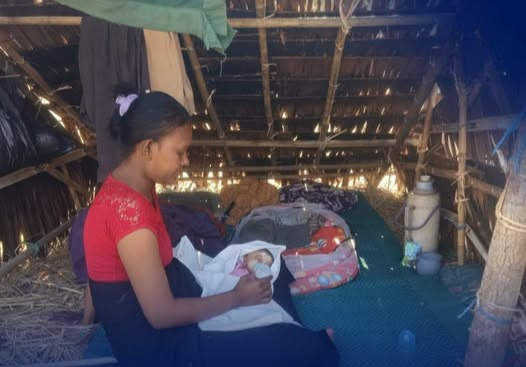


Anti-Rohingya hostility forces more than 100 refugees from Malaysian village More than 100 Rohingya refugees were forced to leave their homes in Kuala Muda, Penang, after local residents displayed signs […]


