Episode: KPN 04-09-2026

Bangladesh running out of options on Rohingya crisis as regional deadlock deepens Nine years after the Rohingya refugee crisis escalated dramatically in 2017, Bangladesh remains burdened by a crisis it […]


 play_arrow
Episode: KPN 31-10-2026 Kaladan Podcast
 play_arrow
Episode: KPN 30-10-2026 Kaladan Podcast
 play_arrow
Episode: KPN 29-10-2026 Kaladan Podcast
 play_arrow
Episode: KPN 28-10-2026 Kaladan Podcast
 play_arrow
Episode: KPN 05-09-2026 Kaladan Podcast
A new virtual hearing initiative has been launched in Bangladesh’s Cox’s Bazar district, allowing Rohingya refugees and members of surrounding host communities to participate remotely in court proceedings without making difficult journeys from the refugee settlements to court.
The initiative was launched by the UN refugee agency, UNHCR, and its partner, the Bangladesh Legal Aid and Services Trust (BLAST), with support from the Government of Bangladesh. It is intended to improve access to judicial services for Rohingya refugees and host communities in Ukhiya and Teknaf.
Bringing court access closer to Rohingya refugees
Under the initiative, participants will be able to take part in court proceedings remotely, reducing obstacles associated with travelling from the sprawling refugee settlements to courts elsewhere in Cox’s Bazar.
UNHCR said the programme is designed to address practical barriers including long-distance travel, delays at checkpoints and security concerns that can make participation in judicial proceedings difficult for refugees and residents of remote communities.
“Access to justice is a right, not a privilege of proximity,” UNHCR Bangladesh said in announcing the initiative.
The agency said the initiative would support safer court access, due process and equal justice while making judicial services more accessible to Rohingya refugees and surrounding communities.
First facility established at Camp-2 West
The initial virtual hearing facility has been established at the Camp-in-Charge (CiC) office in Camp-2 West in Ukhiya, part of the vast Rohingya refugee settlement in Cox’s Bazar.
Officials representing UNHCR, Bangladesh’s Refugee Relief and Repatriation Commissioner (RRRC), the Law and Justice Division, the Supreme Court and BLAST inspected the infrastructure and discussed how virtual hearings could operate in coordination with the country’s formal judicial system, according to published reporting on the launch.
UNHCR Bangladesh Representative Ivo Freijsen said geographical distance and other practical obstacles should not prevent refugees and people living in remote areas from seeking justice.
He said technology could help overcome those barriers when virtual proceedings are conducted safely and confidentially, remain inclusive and are properly integrated into the formal justice system.
Reducing barriers to justice
For Rohingya refugees living in the camps of Ukhiya and Teknaf, travelling outside the settlements for legal proceedings can involve considerable logistical and security difficulties.
The virtual hearing system is intended to reduce some of those obstacles by enabling eligible participants to engage with judicial proceedings closer to where they live. Host communities facing similar difficulties accessing courts are also expected to benefit.
UNHCR described the initiative as an effort to make access to justice safer, fairer and more accessible.
Details on cases and access procedures still unclear
The announcement did not specify which categories of cases will initially be eligible for virtual hearings or which courts will participate.
Detailed procedures explaining how Rohingya refugees can request or qualify for a virtual hearing have also not yet been publicly outlined in the material reviewed by KPN.
Those details will be important in determining the practical reach of the programme and how widely refugees can use the new facility.
The initiative nevertheless introduces a new technology-based channel for Rohingya refugees and host communities in Cox’s Bazar to engage with Bangladesh’s formal justice system while reducing some of the physical and security barriers associated with travelling to court.
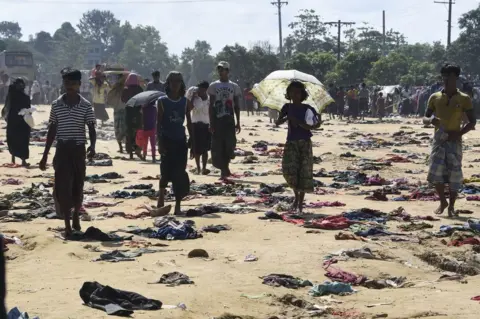
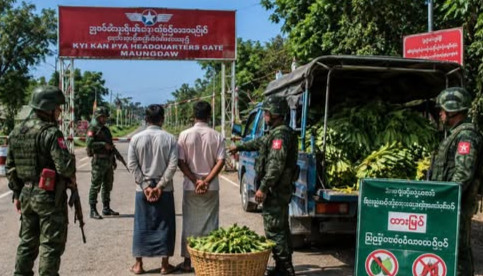

Bangladesh running out of options on Rohingya crisis as regional deadlock deepens Nine years after the Rohingya refugee crisis escalated dramatically in 2017, Bangladesh remains burdened by a crisis it […]