


Episode: KPN 30-07-2026

Mahathir Mohamad urges Myanmar to recognize Rohingya citizenship, calling it essential for lasting peace Former Malaysian Prime Minister Mahathir Mohamad has renewed his call for Myanmar to recognize the Rohingya […]


 play_arrow
Episode: KPN 30-09-2026 Kaladan Podcast
 play_arrow
Episode: KPN 29-09-2026 Kaladan Podcast
 play_arrow
Episode: KPN 28-09-2026 Kaladan Podcast
 play_arrow
Episode: KPN 27-09-2026 Kaladan Podcast
 play_arrow
Episode: KPN 31-07-2026 Kaladan Podcast
Myanmar has agreed to accept an initial group of 5,000 Rohingya currently living in Malaysia following negotiations between the two governments, Malaysian Prime Minister Datuk Seri Anwar Ibrahim said.
Speaking at the Majlis Minum Petang Bersama PMX programme in Simpang Durian, Anwar said the proposed arrangement formed part of Malaysia’s broader diplomatic efforts to address the prolonged Rohingya crisis while maintaining public order inside the country.
“People ask why we do not simply send them back. Send them where? Myanmar had refused to accept them before,” Anwar said.
“Now, because of our good relations with Myanmar, they have agreed to take back 5,000 from Malaysia.”
Anwar Credits Diplomatic Negotiations
The Malaysian prime minister said maintaining diplomatic engagement with Myanmar and other neighbouring countries was essential to resolving complex refugee and humanitarian issues.
He argued that calls to deport Rohingya refugees immediately often ignored the fact that Myanmar had previously refused to receive them.
Anwar also claimed that Myanmar was preparing to accept 300,000 Rohingya from Bangladesh, describing the development as an outcome of diplomatic negotiations.
No detailed timetable, verification process or conditions governing the proposed returns from Malaysia were provided in his remarks.
Concerns over Safety and Voluntary Return
Rohingya refugees and international rights groups have repeatedly maintained that any repatriation to Myanmar must be voluntary, safe, dignified and sustainable.
Rohingya community members have also consistently called for guarantees of citizenship, freedom of movement, security and the right to return to their original villages in Rakhine State.
Previous attempts to repatriate Rohingya from Bangladesh have failed after refugees declined to return, citing continued insecurity, restrictions and the absence of legal recognition in Myanmar.
Malaysia Vows Action to Maintain Public Order
Anwar said Malaysian authorities would continue to take firm action against any refugee activities that disrupted roads, public places, businesses or traffic.
“I have instructed the police and border authorities that I do not want Rohingya disrupting roads or public places. This is Malaysia and they cannot disturb public order,” he said.
“We will provide designated places for them to stay, but they must not interfere with Malaysians’ businesses or traffic.”
His remarks followed growing public attention over the presence and treatment of Rohingya refugees in Malaysia, where many remain without formal legal status and have limited access to employment, education and public services.
Rohingya Relocated after Gathering Outside UNHCR Office
On Monday, hundreds of Rohingya refugees gathered outside the office of the United Nations High Commissioner for Refugees (UNHCR) in Jalan Bukit Petaling, Kuala Lumpur, after reportedly being forced to leave a settlement in Penang.
Authorities later relocated 113 Rohingya following overnight police screening and identity verification.
Of those relocated, 66 were transferred to Kuala Lumpur, 29 to Selangor and 18 to Penang.
The circumstances surrounding the removal of the refugees from their previous settlement and the long-term arrangements for their accommodation were not immediately detailed.
Rohingya Situation in Malaysia
Malaysia is not a signatory to the 1951 Refugee Convention and does not formally recognise refugees under its domestic legal framework.
As a result, Rohingya and other refugees registered with UNHCR frequently face restrictions on legal employment, education, healthcare and freedom from detention.
While Malaysia has historically hosted large numbers of Rohingya fleeing persecution in Myanmar, public hostility, misinformation and calls for deportation have intensified in recent years.

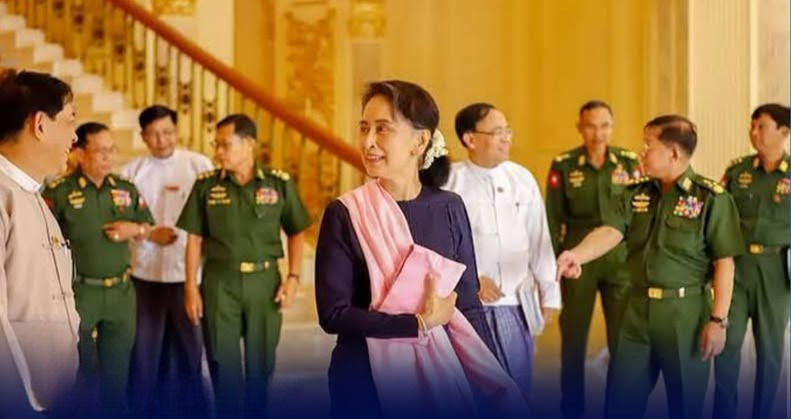

Mahathir Mohamad urges Myanmar to recognize Rohingya citizenship, calling it essential for lasting peace Former Malaysian Prime Minister Mahathir Mohamad has renewed his call for Myanmar to recognize the Rohingya […]


