Episode: KPN 30-11-2025

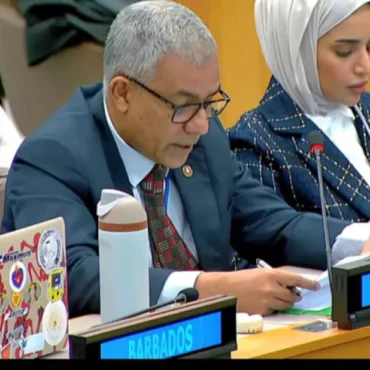
The Government of Bangladesh and WFP have welcomed a donation of 20,256 metric tons of rice from the Republic of Korea The Government of Bangladesh, the Embassy of the Republic […]


 play_arrow
Episode: KPN 30-09-2026 Kaladan Podcast
 play_arrow
Episode: KPN 29-09-2026 Kaladan Podcast
 play_arrow
Episode: KPN 28-09-2026 Kaladan Podcast
 play_arrow
Episode: KPN 27-09-2026 Kaladan Podcast
 play_arrow
Episode: KPN 29-12-2025 Kaladan Podcast
The Arakan Army (AA) has seized 900,000 methamphetamine tablets and detained multiple individuals in Maungdaw Township, Arakan State, raising renewed concerns among residents and human rights observers about arbitrary enforcement practices and the impact on vulnerable communities, particularly Rohingya civilians.
Maungdaw, a border town between Myanmar and Bangladesh currently under AA control, operates under a system in which large quantities of methamphetamine tablets, commonly known as WY, can reportedly be stored legally if taxes are paid to the AA/United League of Arakan (ULA). Local sources said the tax rate is 100,000 kyats per “tower,” a package containing 10,000 tablets. Those unable or unwilling to pay the tax risk arrest and detention.
On December 26, AA forces reportedly seized 900,000 WY tablets from a Rakhine household in Ward (3) of Maungdaw Township on the grounds that the drugs had not been taxed. Following the seizure, around a dozen individuals allegedly connected to the case were detained. Among them were eight Rakhine men, including U Nyi Nyi, also known as Tun Lin Kyaw, whom residents described as a major figure in the local drug trade.
On the same day, the AA also detained the Ward (2) administrator, U Mohamed Noor, for alleged involvement in the drug case. Local Rohingya residents said U Mohamed Noor had previously threatened members of the Rohingya community with forced labor and compulsory military service. He was later released by the AA, according to sources.
Human rights advocates have raised alarm over the apparent normalization of drug storage under taxation systems imposed by armed groups, warning that such practices further entrench criminal economies while exposing civilians to arbitrary arrest, extortion, and abuse. Rohingya residents in Maungdaw said they continue to face intimidation, forced labor threats, and a lack of legal protection under shifting armed control.
Maungdaw is widely regarded as a key transit route for methamphetamine trafficking into Bangladesh. Anti-narcotics monitors say the drug trade continues to flourish amid ongoing conflict and weak accountability, deepening insecurity and human rights risks for communities already affected by decades of persecution and displacement.


The Government of Bangladesh and WFP have welcomed a donation of 20,256 metric tons of rice from the Republic of Korea The Government of Bangladesh, the Embassy of the Republic […]