
Episode: KPN 22-06-2026

UN renews call for additional land as Bangladesh faces growing Rohingya refugee crisis The United Nations High Commissioner for Refugees (UNHCR) has renewed its request for Bangladesh to allocate additional […]


 play_arrow
Episode: KPN 30-09-2026 Kaladan Podcast
 play_arrow
Episode: KPN 29-09-2026 Kaladan Podcast
 play_arrow
Episode: KPN 28-09-2026 Kaladan Podcast
 play_arrow
Episode: KPN 27-09-2026 Kaladan Podcast
 play_arrow
Episode: KPN 23-06-2026 Kaladan Podcast
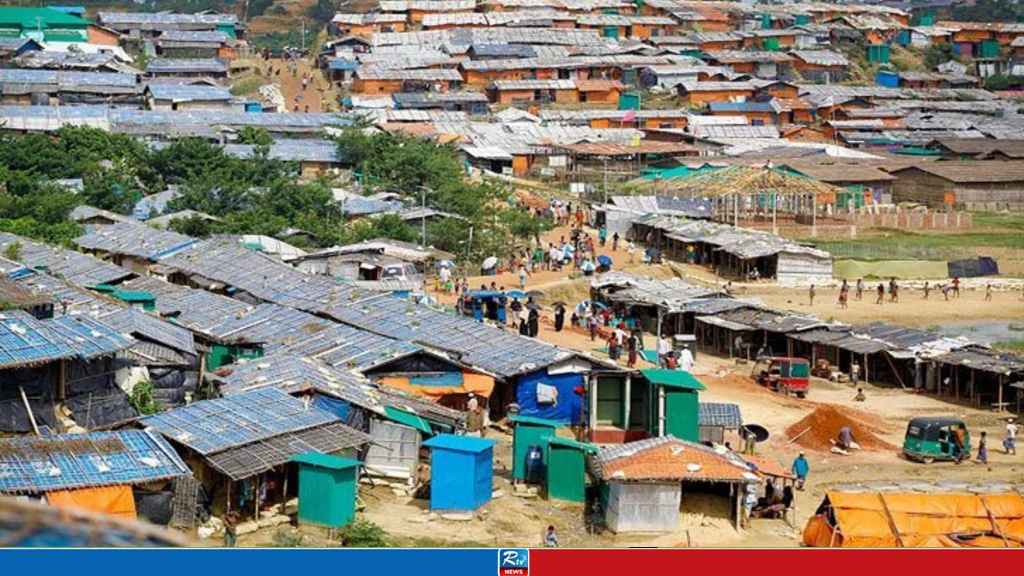
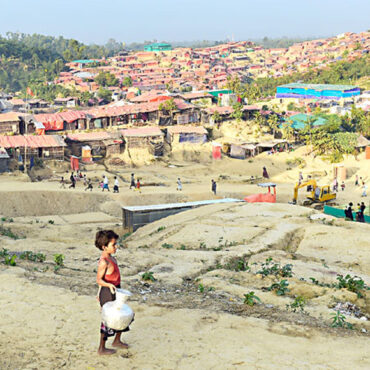
Health authorities in Bangladesh’s southeastern district of Cox’s Bazar have reported a continued rise in HIV infections, with official data indicating that the overwhelming majority of identified cases are among Rohingya refugees living in camps in Ukhiya and Teknaf.
Public health officials and medical experts say the increase highlights the need for stronger health education, expanded HIV testing, improved maternal healthcare and greater community awareness to prevent further transmission.
According to the Cox’s Bazar Civil Surgeon’s Office, nearly 2,500 HIV-positive individuals have been identified in the district out of approximately 17,500 recorded cases nationwide. Officials say about 93 percent of the HIV-positive patients in Cox’s Bazar are Rohingya refugees, while around 170 cases involve members of the local host community.
Health experts caution that the figures reflect diagnosed cases receiving medical attention and do not necessarily represent the overall prevalence of HIV in either population.
Infections Have Increased Since 2017
Data from the Anti-Retroviral Therapy (ART) Center at Cox’s Bazar Sadar Hospital shows that HIV diagnoses have increased steadily since the large-scale arrival of Rohingya refugees fleeing violence in Myanmar in 2017.
According to hospital records, 217 new HIV-positive patients were identified in 2025, all of whom were Rohingya refugees receiving treatment through the district’s healthcare system. In 2024, the center recorded 215 new cases.
Officials did not indicate whether the increase reflects higher transmission rates, expanded testing or improved access to healthcare services.
Health Officials Stress Awareness and Prevention
Cox’s Bazar Civil Surgeon Dr. Mohammad Sabir said HIV infections are being detected more frequently among Rohingya refugees than among the surrounding host community.
He said the health department continues to provide Anti-Retroviral Therapy (ART) while expanding awareness campaigns, counseling services and community outreach aimed at preventing new infections.
Medical specialists say HIV transmission is associated with several risk factors, including unprotected sexual contact, limited access to sexual and reproductive health education, low awareness of HIV prevention, delayed healthcare seeking and inadequate routine testing.
They stressed that these challenges are common in many humanitarian settings where displaced populations have limited access to health services.
Preventing Mother-to-Child Transmission
Doctors have also expressed concern about mother-to-child transmission of HIV.
Professor Dr. A.K.M. Serajul Islam, an HIV and AIDS researcher, said many displaced families have limited knowledge about HIV transmission and prevention, making health education an essential component of disease control.
He noted that without timely diagnosis, treatment and appropriate medical care during pregnancy and childbirth, HIV can be transmitted from an infected mother to her baby.
Dr. Mezbah, physician in charge of the Cox’s Bazar ART Center, said several HIV-positive children are currently receiving treatment after acquiring the virus from their mothers during pregnancy, childbirth or breastfeeding.
He said infected pregnant women are enrolled in the Prevention of Mother-to-Child Transmission (PMTCT) programme, which provides specialized treatment and monitoring to significantly reduce the risk of transmission to newborns.
Public Health Challenge Requires Coordinated Response
Health experts say controlling HIV transmission in Cox’s Bazar requires a comprehensive public health approach that combines medical treatment with prevention strategies.
They recommend expanding community-based health education, confidential HIV testing, counseling services, maternal healthcare, early diagnosis and sustained awareness campaigns in both refugee camps and surrounding host communities.
Officials say continued cooperation between Bangladesh’s health authorities, humanitarian organizations and international partners will be essential to preventing HIV transmission and strengthening healthcare services for all affected communities.


UN renews call for additional land as Bangladesh faces growing Rohingya refugee crisis The United Nations High Commissioner for Refugees (UNHCR) has renewed its request for Bangladesh to allocate additional […]


