

Episode: KPN 18-12-2025

Myanmar – Rakhine state in dire straits as conflict rages on Rakhine state in western Myanmar plays a key role in determining the outcome of the civil war that has […]


 play_arrow
Episode: KPN 30-09-2026 Kaladan Podcast
 play_arrow
Episode: KPN 29-09-2026 Kaladan Podcast
 play_arrow
Episode: KPN 28-09-2026 Kaladan Podcast
 play_arrow
Episode: KPN 27-09-2026 Kaladan Podcast
 play_arrow
Episode: KPN 19-12-2025 Kaladan Podcast
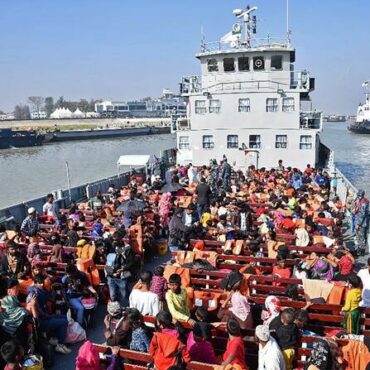
More than 1.1 million of the mostly-Muslim Rohingya have fled Myanmar to Bangladesh in recent years, fleeing violence and persecution. Most of them have settled in the camps at Cox’s Bazar.
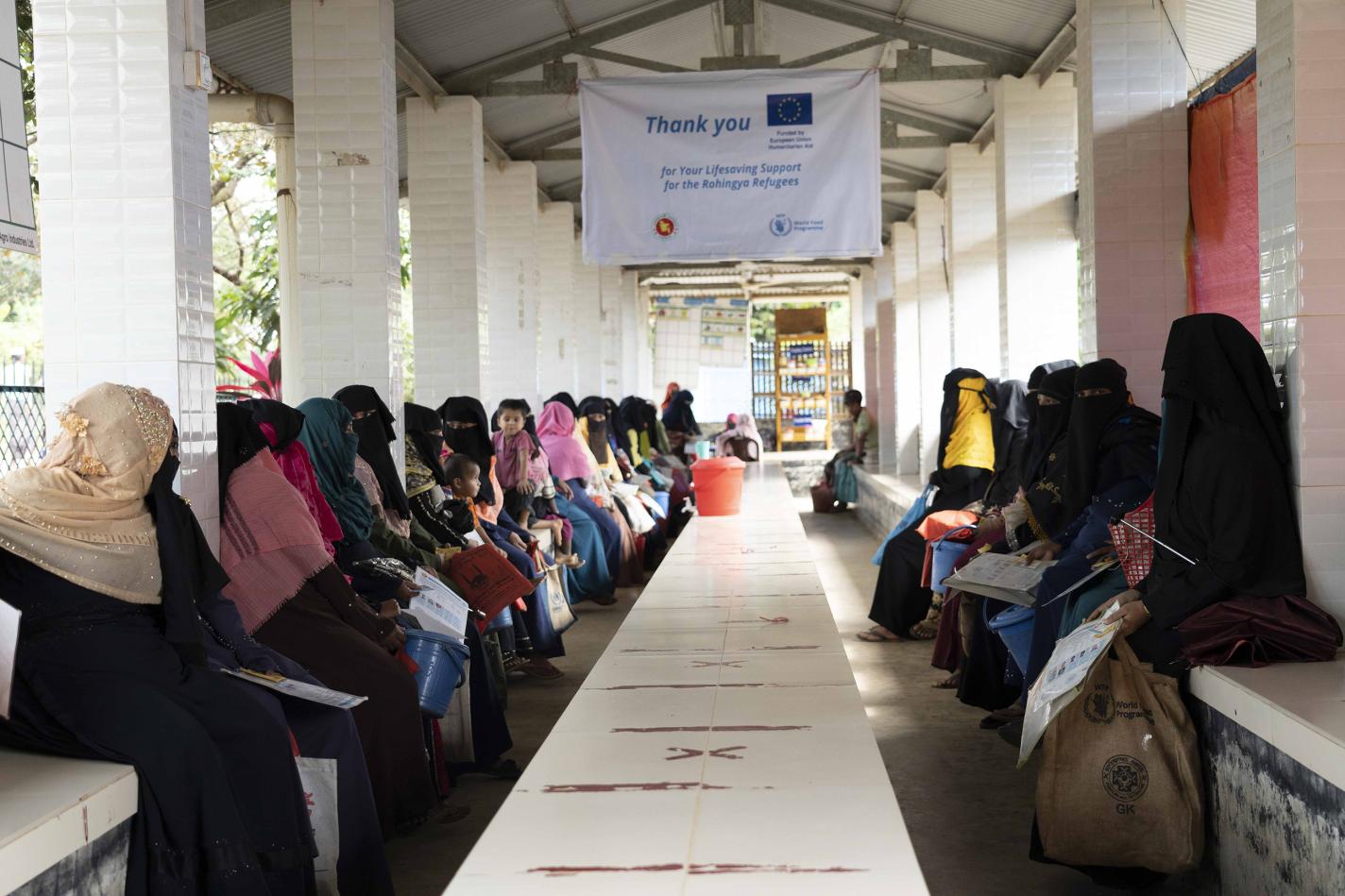
Over the last 20 months, at least 150,000 new Rohingya refugees have arrived at the camps, the largest number from Myanmar since 2017. But as the number people in the camps keep increasing, the amount of humanitarian aid has been severely, particularly by Donald Trump in the US. This year, the president slashed funding for United States Agency for International Development (USAID), which previously funded around 55 per cent of the humanitarian response at Cox’s Bazar.
“We had prepared a response plan with a budget of $934 million (£695m) [from international sources] for 2025,” Hossain Shahid, manager of humanitarian group Islamic Relief’s Rohingya response, tells The Independent. “But suddenly, USAID decided to postpone all funding. That resulted in major cuts in our response plan.”
“If our humanitarian response is not funded, there will be a severe reduction in the food budget,” Shahid adds. “Right now, the budget is $12 per person, per month for food. This will go down to $8 per person, per month. It will be very difficult for the Rohingya inside the camp to have three meals.”
Abdur Rashid, a 43-year-old Rohingya father living in Cox’s Bazar since 2019 says: “The food allocated for a month is finished after 15 days. After that we survive on lentils, salt and rice. We go to sleep hungry.”
“I myself want to return home,” he continues. “But I’m scared. More family have recently arrived here fleeing Myanmar.”
Figures from Islamic Relief show there has been at least a 27 per cent increase in severe acute malnutrition in Cox’s Bazar camps in 2025, when measured against last year. Conditions have continued to deteriorate in the past few months with the newest exodus of Rohingya from Myanmar to Bangladesh.
By two thirds of the way into the year, just 36 per cent of Islamic Relief’s original target for the Rohingya response had been secured, leaving significant shortfalls in all areas the humanitarian response.
Shahid says that the health facilities that are not already closed are running out of basic medicine. “Sanitation and water infrastructure has fallen into disrepair, with some families now forced to defecate in the open, which can quickly spread disease. At some sites, water is available for only one hour per day.”
Shahid says money for soap in the camp has run out. “People won’t be able to maintain personal hygiene,” he said, worried that disease will quickly spread.
Reaj Uddin, a project manager in the camp says that “skin disease, diarrhoea, and waterborne diseases” are spreading.
New arrivals are also having to find shelter in overcrowded, temporary structures made of materials like bamboo. “These houses aren’t sustainable for more than a couple of years,” Uddin says, noting how this exposes vulnerabilities during rainstorms, thunderstorms, and cyclones.
Shahid is deeply worried about the 500,000 children in the camps. “Without adequate funding, education centres could be closed down,” he says. “This will be a lost generation. They will have nothing… if we stop now.”
But food is the most pressing need in Cox’s Bazar. “We need to explore all kinds of ways to raise funding,” Shahid says. “Or these people will be at risk of starvation, and out of all services. We need to at least ensure funding for food security. They can live without soap, but they cannot live without food.”
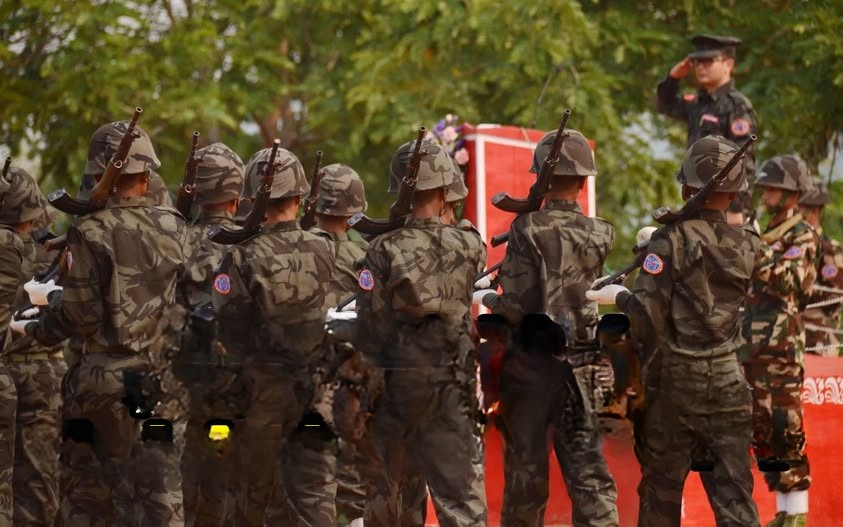


Myanmar – Rakhine state in dire straits as conflict rages on Rakhine state in western Myanmar plays a key role in determining the outcome of the civil war that has […]