
Episode: KPN 14-10-2026

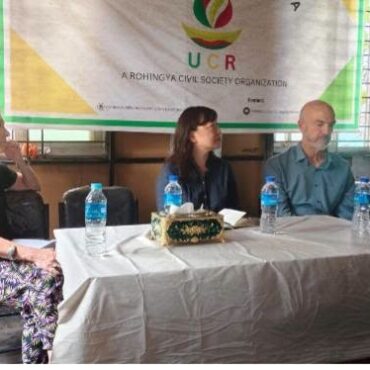
UCR calls for independent investigation into alleged crimes by Arakan Army against Rohingya civilians The United Council of Rohingya (UCR) has called for an independent and impartial investigation into allegations […]


 play_arrow
Episode: KPN 25-10-2026 Kaladan Podcast
 play_arrow
Episode: KPN 24-10-2026 Kaladan Podcast
 play_arrow
Episode: KPN 23-10-2026 Kaladan Podcast
 play_arrow
Episode: KPN 22-10-2026 Kaladan Podcast
 play_arrow
Episode: KPN 15-10-2026 Kaladan Podcast
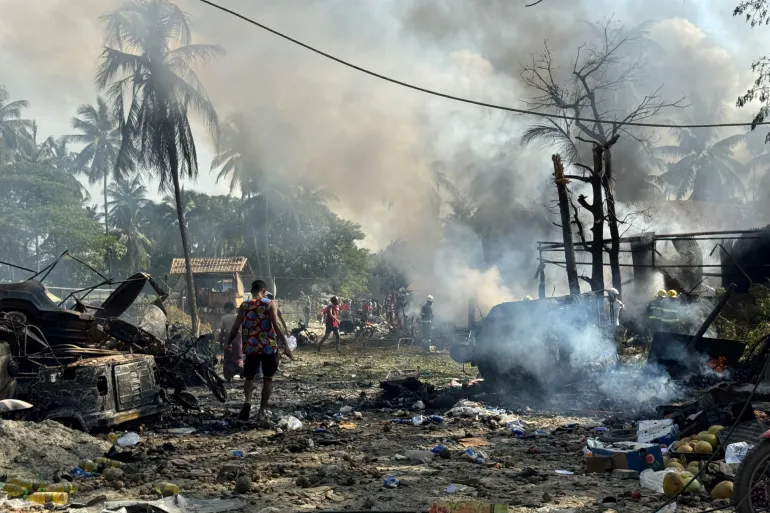
At least 25 Rohingya were reportedly killed and around a dozen others injured in an airstrike on the India Market in Kyauktaw Township, Rakhine State, while nearly 100 other Rohingya who had been denied entry to the town under restrictions imposed by the United League of Arakan/Arakan Army (ULA/AA) were outside the market when the attack occurred, according to local sources.
A Kyauktaw resident said the airstrike hit the market shortly after noon on September 28, causing heavy casualties among Rohingya who were at the site.
Nearly 100 other local Rohingya had reportedly sought to enter Kyauktaw but were turned back because they did not possess recommendation letters required by the ULA/AA, according to the sources.
They had returned towards their villages and were therefore not inside India Market when the strike occurred.
KPN could not independently verify the reported casualty figures, the circumstances of the airstrike or all details concerning the group denied entry to Kyauktaw.
Nearly 100 Rohingya were outside market when strike hit
Local sources said nearly 100 Rohingya had attempted to enter Kyauktaw before the September 28 attack but were prevented from doing so because they lacked ULA/AA-issued recommendation letters.
The group subsequently left the area and returned towards their villages.
Shortly after noon, the India Market was hit by an airstrike, according to the account.
A local source said the Rohingya who had been turned away were fortunate not to have been inside the market when it was struck.
While the entry restrictions meant the group was absent from the market at the time of the attack, there is no indication in the information provided that the restrictions were imposed because of any advance knowledge of the airstrike.
ULA/AA restrictions limit Rohingya movement, residents say
Local residents say the ULA/AA maintains strict restrictions on Rohingya movement in and around Kyauktaw.
According to the sources, Rohingya are prohibited from entering the town without a recommendation letter issued or recognised by ULA/AA authorities.
The ULA/AA has cited concerns involving Rohingya armed groups when imposing restrictions on the local Rohingya population, according to the report.
Residents say the measures affect ordinary civilians seeking to travel into town for personal and family reasons.
KPN could not independently establish the full scope of the restrictions or obtain a ULA/AA response to the specific allegations contained in the supplied report.
Bereaved relatives reportedly faced barriers after bombing
The restrictions reportedly continued to affect Rohingya families after the deadly airstrike.
According to local sources, some relatives of people killed in the bombing were unable to immediately enter Kyauktaw to see family members or attend to matters following their deaths because they did not possess the required recommendation letters.
Permission was reportedly granted only after the necessary ULA/AA documentation had been obtained.
The account highlights how restrictions on freedom of movement can have consequences extending beyond routine travel, particularly during emergencies or after the death or injury of family members.
Brother of victim initially denied entry
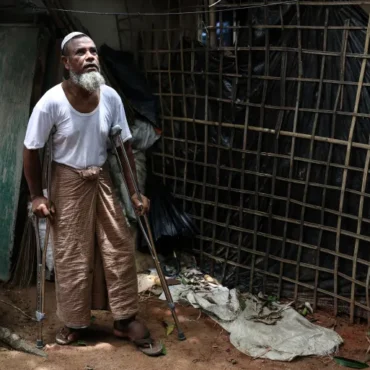
One of those affected was local Rohingya resident Mawlawi U Nawzum Khan, whose younger brother was reportedly killed in the India Market bombing.
According to the information provided, Khan was initially prevented from entering Kyauktaw.
He was later allowed to enter after obtaining a recommendation letter from the ULA.
The report also referred to remarks Khan made to ONN news agency concerning his experience.
KPN has not independently reviewed or verified the full ONN interview cited in the source material and therefore does not attribute additional claims to Khan beyond the information provided.
Airstrike and restrictions raise separate protection concerns
The reported events highlight two separate protection concerns confronting Rohingya civilians in Kyauktaw: exposure to attacks amid continuing armed conflict and restrictions affecting their ability to move freely.
The fact that nearly 100 Rohingya were reportedly outside India Market because they had been denied entry before the bombing does not remove concerns surrounding restrictions imposed on an entire civilian population.
Nor does their survival establish that the travel restrictions were intended to protect them from the attack.
For Rohingya civilians living amid conflict in Rakhine State, restrictions on access to towns can affect family contact, movement, access to essential services and the ability to respond to emergencies.
The reported deaths of 25 Rohingya at India Market, meanwhile, underscore the continuing danger faced by civilians as conflict and air attacks affect communities across Rakhine State.
Further independent verification is needed to establish the full circumstances of the September 28 strike, including responsibility for the attack, the final casualty toll and the identities of those killed and injured.

UCR calls for independent investigation into alleged crimes by Arakan Army against Rohingya civilians The United Council of Rohingya (UCR) has called for an independent and impartial investigation into allegations […]