
Episode: KPN 13-2-2022

Eleven ethnic armed groups, including ULA / AA, attend Union Day Eleven ethnic armed groups, including the ULA / AA, attended the 75th Union Day ceremony held on 12 February. […]


 play_arrow
Episode: KPN 30-09-2026 Kaladan Podcast
 play_arrow
Episode: KPN 29-09-2026 Kaladan Podcast
 play_arrow
Episode: KPN 28-09-2026 Kaladan Podcast
 play_arrow
Episode: KPN 27-09-2026 Kaladan Podcast
There was no mention of newborns in Bangladesh-Myanmar meeting on Jan. 27, though it is seen as big step forward towards repatriation
Though almost half of over 1 million Rohingya living in the congested refugee camps in Bangladesh are children growing up in a subhuman condition, the persecuted people are more worried about the future of more than 100,000 newborn babies who have been added since the mass exodus four-and-a-half years ago.
According to Amnesty International, around 750,000 Rohingya fled a brutal military crackdown in the home country of Myanmar’s Rakhine state in August 2017 to Bangladesh, surging the total number of stateless people in the South Asian nation to above 1.2 million.
Frustration is mounting among stateless Rohingya regarding the future status and survival of newborn babies, as the number continues to increase despite the uncertainty of peaceful and dignified repatriation.
According to a Save the Children report published in August 2020, nearly 76,000 babies were born in refugee camps in the three years since August 2017. Thus far, the number of babies is anticipated to have surpassed 100,000 based on the current growth rate.
“We are seriously concerned about the future of our newborn babies because the Myanmar government has not recognized us as legal citizens of the country despite our historical background of many generations.”
Ayesha Khatun, a Rohingya mother of two children
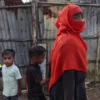
“We are seriously concerned about the future of our newborn babies because the Myanmar government has not recognized us as legal citizens of the country despite our historical background of many generations,” Ayesha Khatun, a Rohingya mother of two children, told Anadolu Agency.
Khatun, who lives with her husband on the remote Bangladeshi island of Bhasan Char, said she had given birth to her second child three years ago in Bangladesh’s mainland camps in Cox’s Bazar, and that she was expecting another baby in a few months.
“I don’t know what the status or national identity of my two children will be because we are living in Bangladesh as stateless people without refugee status and are deprived of citizenship right in our native country,” she explained.
Thousands of Rohingya in Bangladesh, like Khatun, are concerned about the future of their newborns.

Eleven ethnic armed groups, including ULA / AA, attend Union Day Eleven ethnic armed groups, including the ULA / AA, attended the 75th Union Day ceremony held on 12 February. […]


Post comments
This post currently has no comments.