
Episode: KPN 11-06-2026

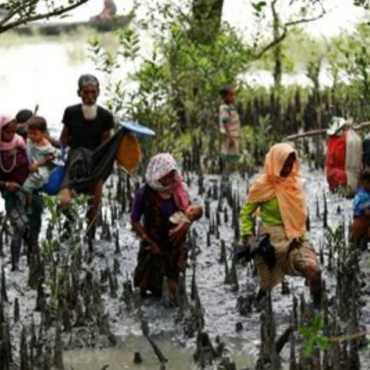
Arakan Army detains 16 Rohingya after Bangladesh pushback Sixteen Rohingya refugees, including breastfeeding infants and elderly people, were detained by the Arakan Army (AA), an ethnic Rakhine armed group that […]


 play_arrow
Episode: KPN 30-09-2026 Kaladan Podcast
 play_arrow
Episode: KPN 29-09-2026 Kaladan Podcast
 play_arrow
Episode: KPN 28-09-2026 Kaladan Podcast
 play_arrow
Episode: KPN 27-09-2026 Kaladan Podcast
 play_arrow
Episode: KPN 12-06-2026 Kaladan Podcast
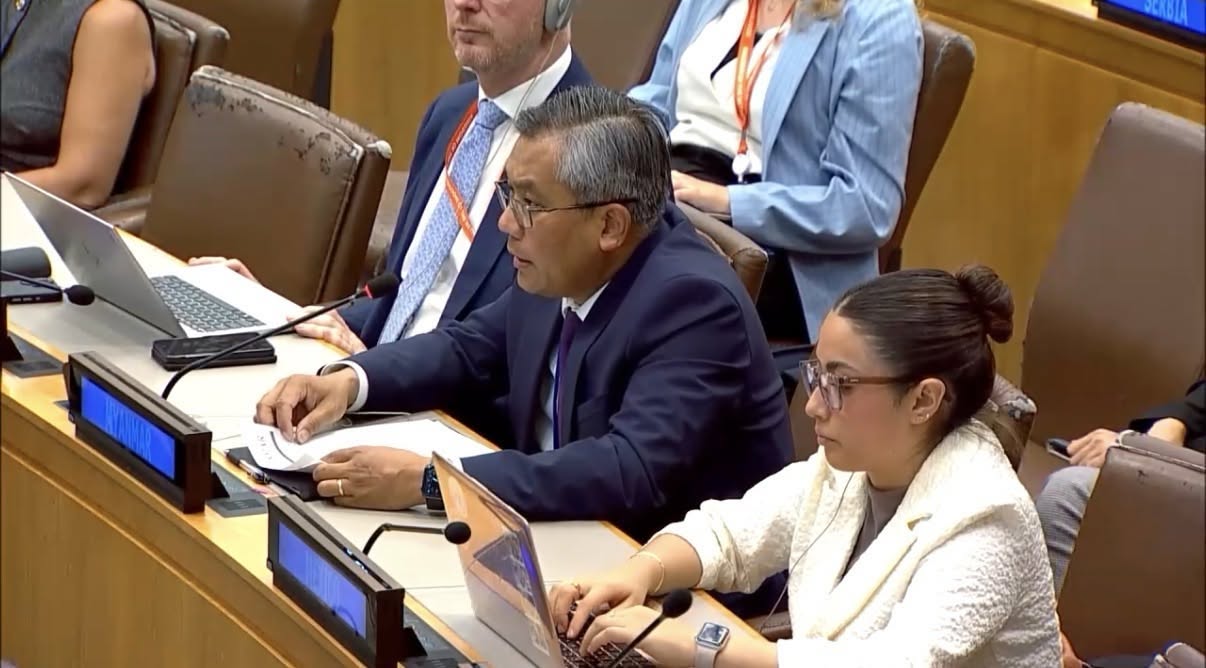
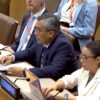
More than 3.7 million people have been internally displaced across Myanmar as a result of the country’s escalating conflict and humanitarian crisis following the 2021 military coup, Myanmar’s Permanent Representative to the United Nations, Ambassador U Kyaw Moe Htun, has said.
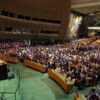
The ambassador made the remarks during the annual Executive Board meeting of the United Nations Development Programme (UNDP), United Nations Population Fund (UNFPA), and United Nations Office for Project Services (UNOPS) held in New York on June 8. The meeting also discussed a proposal concerning the possible merger of UNFPA and UN Women.
According to U Kyaw Moe Htun, the military regime’s continued violence and restrictions on humanitarian access have left approximately 16.2 million people in urgent need of life-saving assistance, including around 5 million children.
He further noted that more than 12 million people across Myanmar are currently experiencing food insecurity, with conditions expected to deteriorate further through 2026.
The ambassador accused the military of continuing aerial attacks on civilian communities and committing serious violations of international law, including war crimes and crimes against humanity. He highlighted that women and girls living in conflict-affected areas remain particularly vulnerable, facing increasing levels of gender-based violence and growing barriers to accessing sexual and reproductive healthcare services.
U Kyaw Moe Htun emphasized that humanitarian and protection programs implemented by UNFPA and UN Women remain critical lifelines for vulnerable populations throughout the country, according to a statement released by the Office of the Permanent Representative of Myanmar to the United Nations.
Political analysts have also stressed the importance of ensuring that humanitarian assistance reaches those most in need.
“Women and children are among the groups most severely affected by the conflict in Myanmar. Continued support from UNFPA and UN Women is essential, and assistance programs must effectively reach the communities that need them most,” one analyst told Radio Free Asia (RFA).
UNFPA serves as the United Nations agency responsible for sexual and reproductive health and maternal care, while UN Women leads the UN’s efforts to promote women’s rights and gender equality worldwide.


Arakan Army detains 16 Rohingya after Bangladesh pushback Sixteen Rohingya refugees, including breastfeeding infants and elderly people, were detained by the Arakan Army (AA), an ethnic Rakhine armed group that […]


