

Episode: KPN 10-09-2026

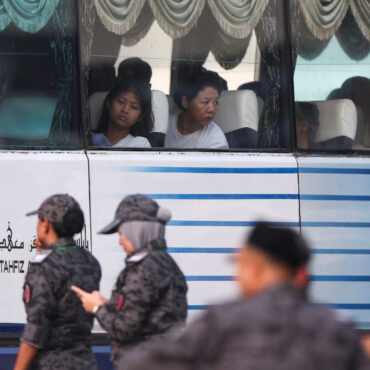
South Korea provides 15,000 tonnes of rice for Rohingya Refugees in Bangladesh South Korea has provided 15,000 metric tonnes of rice and 150 metric tonnes of fortified rice kernels to […]


 play_arrow
Episode: KPN 31-10-2026 Kaladan Podcast
 play_arrow
Episode: KPN 30-10-2026 Kaladan Podcast
 play_arrow
Episode: KPN 29-10-2026 Kaladan Podcast
 play_arrow
Episode: KPN 28-10-2026 Kaladan Podcast
 play_arrow
Episode: KPN 11-09-2026 Kaladan Podcast
Malaysia clarifies immigration status of Rohingya Refugees holding UNHCR cards
Malaysia’s Immigration Department has clarified the legal position of Rohingya and other Myanmar refugees holding valid UNHCR cards, saying they remain subject to the country’s immigration laws despite exemptions from enforcement for two specific immigration offences.
Immigration Director-General Datuk Zakaria Shaaban issued the clarification on Monday following media reports claiming that Rohingya refugees registered with the United Nations High Commissioner for Refugees (UNHCR) were not considered undocumented migrants, locally known as PATI, and fell outside the Immigration Department’s enforcement jurisdiction.
Zakaria denied making such a blanket statement.
“I never issued the statement that Rohingya nationals were not illegal immigrants,” he said, according to The Star.
UNHCR cardholders exempt from two immigration offences
Zakaria said refugees holding valid UNHCR cards are exempt from enforcement for two offences under Malaysia’s Immigration Act 1959/63: not possessing valid travel documents or passes and overstaying.
However, he stressed that these exemptions do not give UNHCR cardholders immunity from other provisions of Malaysia’s immigration law.
Cardholders can still face immigration action for other violations, including working without a valid pass or permit, he said. Employers who hire refugees without the necessary authorization may also face legal action.
The clarification is significant for Rohingya refugees in Malaysia because earlier media reports had interpreted Zakaria’s remarks as meaning that Rohingya with valid UNHCR cards were not classified as undocumented migrants and could not face normal immigration enforcement.
The Immigration Department’s September 7 statement rejected that broader interpretation.
UNHCR card does not provide full legal immigration status
Malaysia’s Immigration Department had also clarified in July that valid UNHCR cardholders remain regarded as undocumented or illegal immigrants under Malaysian immigration rules, although they are exempt from prosecution for overstaying and lacking valid travel documents.
The UNHCR card therefore provides certain administrative protections but does not itself amount to a Malaysian immigration pass or confer unrestricted legal immigration status.
Zakaria had similarly said in June that people with genuine UNHCR cards would generally not be detained for immigration offences relating solely to the absence of documentation, while stressing that they remain subject to Malaysian laws for other offences.
Refugees remain subject to Malaysian law
The Immigration Department said refugees and asylum seekers are managed under government policy coordinated through National Security Council Directive No. 23 on the Policy and Mechanism for the Management of Refugees and Asylum Seekers.
The policy is overseen by the Cabinet Committee on Refugees and Asylum Seekers, chaired by Deputy Prime Minister Datuk Seri Ahmad Zahid Hamidi.
Malaysia’s Home Ministry and Immigration Department have also been tasked with registering refugees and asylum seekers through the Refugee Registration Document programme, known as DPP, with the government seeking more systematic data on refugee and asylum-seeker populations.
Zakaria said the Immigration Department would continue carrying out enforcement in accordance with Malaysian law and government policy.
The clarification means that, for Rohingya refugees holding valid UNHCR documentation, protection from immigration enforcement is limited to specified offences and should not be interpreted as a general exemption from Malaysia’s immigration laws.


South Korea provides 15,000 tonnes of rice for Rohingya Refugees in Bangladesh South Korea has provided 15,000 metric tonnes of rice and 150 metric tonnes of fortified rice kernels to […]