


Episode: KPN 10-03-2026

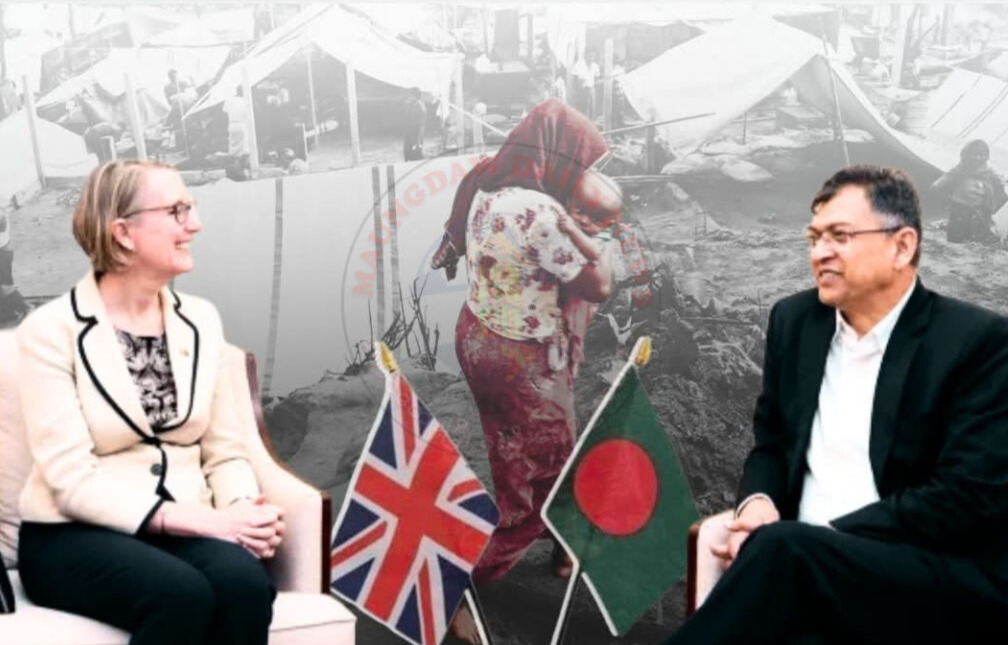
12 Lakh Rohingya pose unsustainable burden for Bangladesh, FM says in Commonwealth Bangladesh has called on the international community to take more active role in ensuring the safe and dignified […]


 play_arrow
Episode: KPN 30-09-2026 Kaladan Podcast
 play_arrow
Episode: KPN 29-09-2026 Kaladan Podcast
 play_arrow
Episode: KPN 28-09-2026 Kaladan Podcast
 play_arrow
Episode: KPN 27-09-2026 Kaladan Podcast
 play_arrow
Episode: KPN 11-03-2026 Kaladan Podcast
Around 1.5 lakh more Rohingyas have entered Bangladesh in recent months, raising the total number in the camps to over 14 lakh
Nearly a year ago, the then chief adviser Muhammad Yunus expressed hope that Rohingya refugees would be able to offer Eid prayers in their homeland in Rakhine this year. With Eid approaching again, that hope seems to be fading as repatriation remains stalled.
Instead, around 1.5 lakh more Rohingyas have entered Bangladesh in recent months, raising the total number in the camps to over 14 lakh and placing a fresh strain on humanitarian operations.
Authorities say the latest influx through Cox’s Bazar’s borders intensified due to clashes between Myanmar’s military and the Arakan Army in Rakhine State since November 2023.
Diplomatic push, limited progress
Last March, Yunus and UN Secretary General António Guterres visited a Rohingya camp in Ukhiya of Cox’s Bazar and met refugees, community representatives, and others, and joined a Ramadan solidarity iftar event there.
Addressing the event, Yunus said Bangladesh would continue working with the UN to facilitate repatriation, voicing hope that the Rohingyas might return home by the next Eid.
“Repatriation depends entirely on Myanmar,” Refugee Relief and Repatriation Commissioner Mizanur Rahman said. “It is not in Bangladesh’s hands. It also depends on whether the Rohingyas themselves feel conditions are safe enough to return.”
Highlighting initiatives taken to escalate the repatriation process, he said that Bangladesh has recently hosted a three-day conference with UN participation and appointed a high-level representative to oversee Rohingya affairs. Discussions with international stakeholders are on.
However, observers say the situation inside Rakhine remains volatile as renewed conflict has further dimmed prospects for large-scale repatriation.
Aid fatigue deepens
A $12 per person monthly food assistance is available until March. Beyond that, there is no confirmation that support will continue.
The repatriation commissioner acknowledged that the current rate is difficult to sustain without fresh international commitments. Aid agencies warn that further reductions could aggravate malnutrition and heighten security risks in the camps, where livelihood opportunities are limited and dependence on humanitarian assistance is near total.
A decade-long crisis
The largest exodus was seen in August 2017, when Myanmar’s military launched clearance operations following insurgent attacks. Within months, more than seven lakh Rohingyas fled into Bangladesh, joining earlier waves.
Bangladesh opened its borders on humanitarian grounds. Yet repeated repatriation initiatives, including bilateral arrangements between Dhaka and Naypyidaw, have failed to produce a single large-scale return.


12 Lakh Rohingya pose unsustainable burden for Bangladesh, FM says in Commonwealth Bangladesh has called on the international community to take more active role in ensuring the safe and dignified […]


