
Episode: KPN 09-05-2025

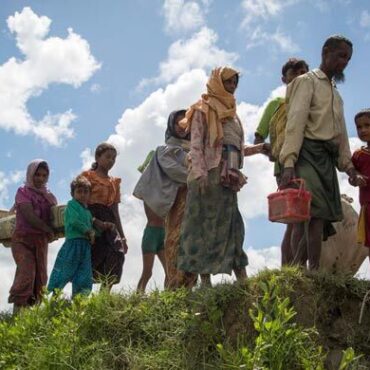
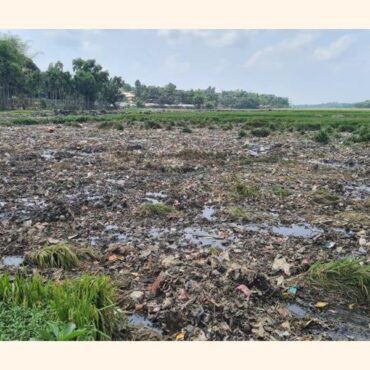
Rohingya waste jeopardising cultivation in Cox’s Bazar Waste, especially in solid form, collected by community volunteers and disposed of in open spaces from the Rohingya refugee camps is creating agricultural […]


 play_arrow
Episode: KPN 30-09-2026 Kaladan Podcast
 play_arrow
Episode: KPN 29-09-2026 Kaladan Podcast
 play_arrow
Episode: KPN 28-09-2026 Kaladan Podcast
 play_arrow
Episode: KPN 27-09-2026 Kaladan Podcast
 play_arrow
Episode: KPN 10-05-2025 Kaladan Podcast
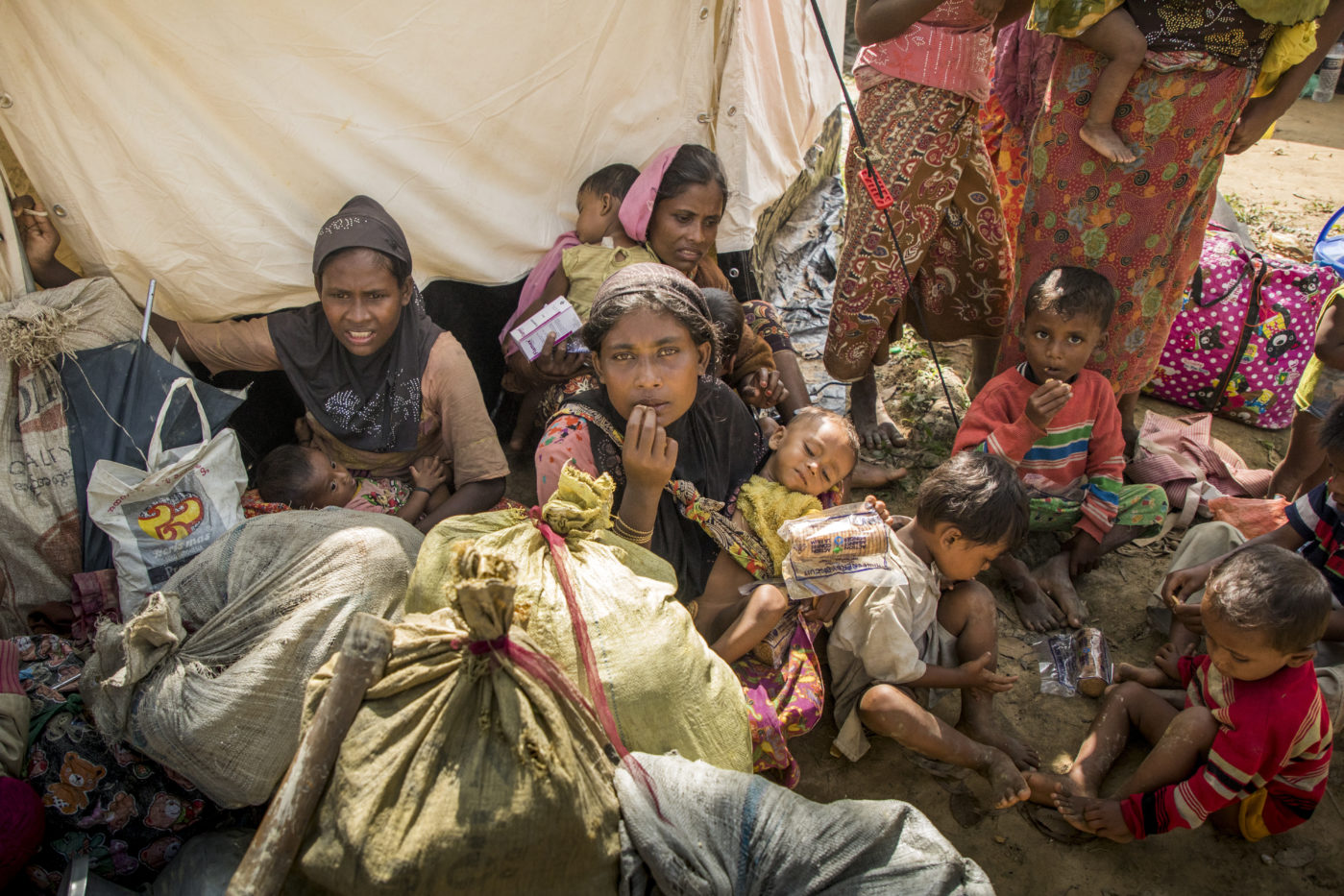
There are more than 43 million refugees and more than 4 million stateless people in the world, according to the United Nations.
While it doesn’t set migration policy, the international aid system can be the difference between life and death for many. But it can also keep people in a state of perpetual aid dependency: Many have been born, raised, and lived entire lives in refugee camps in Kakuma, the West Bank, and Cox’s Bazar.
“What I have come across over and over again is that the systems and the policies and the legislations are forbidding them, not allowing them to be self-reliant,” Rohingya refugee rights activist Hafsar Tameesuddin tells the Power Shift podcast. “No one wants to depend on the aid, and then [feel] unwanted and unwelcome – including myself.”
Tameesuddin is half of Power Shift’s latest dialogue pairing, along with Raouf Mazou, UNHCR’s Assistant High Commissioner for Operations.
Born in Myanmar, Tameesuddin shares their journey navigating statelessness, displacement, resettlement, and the sector’s resistance to seeing displaced people as equal partners in refugee response. Mazou, who has been with the UN’s refugee agency since he joined in 1991, reflects on the evolution of refugee response and pushes back on the idea that international agencies hold the reins.
“From outside, one may look at somebody who works for UNHCR in a leadership position as a person who [is] in a position of power,” Mazou argues, but “the ability to resolve the problem is not here in Geneva at headquarters. The ability to resolve the problem is in the various locations around the world where the problem is.”
Together, Mazou and Tameesuddin tackle critical questions on refugee response: How long will it take for the sector to cede decision-making power to refugees? What power dynamics exist amongst refugee leaders themselves? What’s blocking a much-needed shift away from aid dependency towards self-reliance? And who ultimately has the power to shift it all?


Rohingya waste jeopardising cultivation in Cox’s Bazar Waste, especially in solid form, collected by community volunteers and disposed of in open spaces from the Rohingya refugee camps is creating agricultural […]