
Episode: KPN 19-10-2026

Saudi Arabia expects favourable ICJ verdict in Rohingya genocide case Saudi Arabia expects a favourable verdict from the International Court of Justice (ICJ) in the Rohingya genocide case and hopes […]


 play_arrow
Episode: KPN 24-10-2026 Kaladan Podcast
 play_arrow
Episode: KPN 23-10-2026 Kaladan Podcast
 play_arrow
Episode: KPN 22-10-2026 Kaladan Podcast
 play_arrow
Episode: KPN 21-10-2026 Kaladan Podcast
 play_arrow
Episode: KPN 20-10-2026 Kaladan Podcast
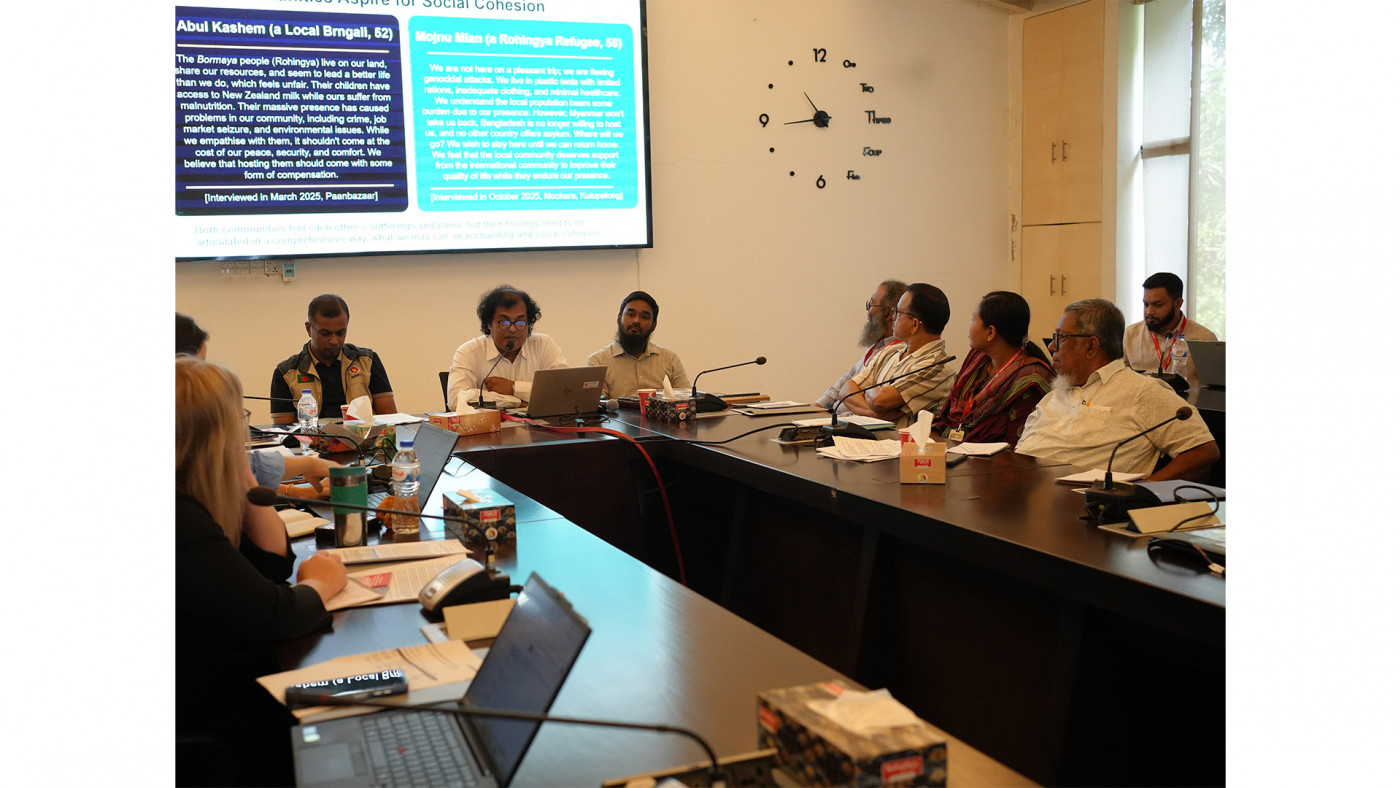
Inclusive policies, meaningful community participation and stronger cooperation among humanitarian actors are essential to strengthening social cohesion and building lasting peace between Rohingya refugees and host communities in Bangladesh, speakers said at an ActionAid Bangladesh dialogue in Cox’s Bazar.
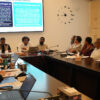
ActionAid Bangladesh organised the dialogue, titled “Peacebuilding and Social Cohesion: Context and Opportunities,” at the Refugee Relief and Repatriation Commissioner’s (RRRC) conference room on October 18, according to a press release from the organisation.
The event brought together representatives of the Bangladesh government, United Nations agencies, national and international non-governmental organisations, civil society groups and local networks to examine challenges and opportunities for peaceful coexistence between Rohingya refugees and surrounding host communities.
Speakers emphasized that humanitarian assistance remains essential but said aid alone is insufficient to build sustainable peace, highlighting mutual trust, inclusive engagement and community participation as central elements of the response.
Humanitarian aid alone ‘not enough’ for lasting peace
Delivering the keynote paper, Professor Nasir Uddin of the Department of Anthropology at the University of Chittagong said peacebuilding and social cohesion must be addressed alongside humanitarian needs in responding to the prolonged Rohingya refugee crisis.
“Both peacebuilding and social cohesion are fundamental components of a meaningful and workable response to the ongoing Rohingya refugee crisis in Bangladesh,” Uddin said.
“It is undeniable that humanitarian assistance is essential, but it is equally important to address the dynamics of social relationships between refugees and host communities.”
His remarks highlighted the need for humanitarian responses to consider not only immediate material needs but also relationships between communities living alongside one another.
Inclusive participation seen as key to social cohesion
Participants stressed the importance of policies and programmes that take into account the perspectives and experiences of both Rohingya refugees and Bangladeshi host communities.
The dialogue focused on how community participation can help strengthen mutual understanding, address shared challenges and reduce tensions.
Participants exchanged experiences and discussed good practices while exploring opportunities for stronger cooperation among government bodies, humanitarian agencies, civil society organisations and community networks.
The discussions also emphasized strengthening community resilience and creating conditions conducive to peaceful coexistence.
RRRC official stresses realities facing both communities
Gazi Shariful Hasan, Deputy Secretary representing the Refugee Relief and Repatriation Commissioner, highlighted the challenges involved in balancing administrative responsibilities with humanitarian needs.
“Balancing administrative responsibilities with humanitarian needs can be challenging,” Hasan said.
“Working with Rohingya refugees has helped me better understand the challenges they face in the camps, including protection concerns and the needs of women, children and older people.”
He said understanding the circumstances facing both refugees and local communities is important for strengthening trust and social harmony.
“Understanding the realities of both Rohingya refugees and host communities is important to building mutual trust and social harmony,” he said.
Dialogue focuses on peaceful coexistence
The event was held under the “Youth-Led Peacebuilding and Social Cohesion Initiatives in Bangladesh and Myanmar” project.
Participants discussed opportunities to strengthen collaboration in addressing challenges affecting both refugee and host populations.
The discussions highlighted the role of dialogue, community participation and mutual understanding in reinforcing resilience and reducing social divisions.
With the Rohingya displacement crisis continuing, humanitarian organisations and local authorities face the challenge of responding to refugee needs while also considering the social and economic pressures experienced by communities hosting them.
The dialogue emphasized that sustainable social cohesion requires the voices and experiences of both communities to be incorporated into programmes and decision-making.
Youth-led peacebuilding initiative
The programme’s focus on youth-led peacebuilding highlighted the potential role of younger generations in strengthening communication and cooperation across communities.
Abdullah Al Raihan, lead of ActionAid Bangladesh’s Rohingya Response Programme, and project managers from the organisation also attended the event.
ActionAid Bangladesh has worked with Rohingya refugees and host communities in Cox’s Bazar since the large-scale Rohingya influx in 2017, focusing on humanitarian needs and community resilience.
ActionAid is an international development organisation working on social justice, gender equality and human rights. The organisation began operating in Bangladesh in 1983.
Key Messages from the Dialogue
Humanitarian assistance remains essential but cannot alone create lasting peace and social cohesion.

Saudi Arabia expects favourable ICJ verdict in Rohingya genocide case Saudi Arabia expects a favourable verdict from the International Court of Justice (ICJ) in the Rohingya genocide case and hopes […]