


Episode: KPN 29-10-2025

TMC helping Rohingya infiltrators to settle in Bengal – Suvendu Leader of Opposition in West Bengal Assembly Suvendu Adhikari on Saturday accused the Trinamool Congress of “helping” Rohingya infiltrators to […]


 play_arrow
Episode: KPN 31-10-2026 Kaladan Podcast
 play_arrow
Episode: KPN 30-10-2026 Kaladan Podcast
 play_arrow
Episode: KPN 29-10-2026 Kaladan Podcast
 play_arrow
Episode: KPN 28-10-2026 Kaladan Podcast
 play_arrow
Episode: KPN 30-10-2025 Kaladan Podcast
The recent high-level UN conference on the status of Rohingya and other minorities in Myanmar shined a welcome spotlight on a deepening humanitarian and political crisis. While the conference was short on commitments, speakers generally agreed on the need for concrete steps to address the crisis and that conditions were not yet conducive for a voluntary, safe, and dignified return of refugees to Myanmar. So, how to move forward? For answers, the world should take inspiration from the Rohingya women who spoke at the conference — any action plan must ensure that women, and the gendered impacts of conflict, are at the center of decision-making about the Rohingya’s future and accountability efforts.
Women and girls make up almost 75% of the 1.1 million Rohingya refugees in Cox’s Bazar, Bangladesh. Conditions in refugee camps are dire, with overcrowding, a lack of livelihood opportunities, entrenched patriarchal social structures, limited educational resources, and insufficient services — including sexual and reproductive healthcare. And thanks to aid cuts, the situation is deteriorating rapidly, with the Joint Response Plan launched by the UN and Bangladesh only 37 percent funded for 2025.
Gendered violence and insecurity, including abductions, extortion, and killings, are rising. Due to desperation, women are deceived by traffickers into treacherous journeys and dangerous occupations, including the sex trade. In Rakhine State, continued conflict and humanitarian aid blockages have left women and girls facing insecurity, starvation, and a lack of essential services, particularly maternal healthcare. Hundreds of thousands in internally displaced person camps, the majority of whom are women, suffer from overcrowding and a lack of basic food and services. Forced recruitment by the Myanmar military and armed groups also poses constant dangers.
Despite these dire conditions, persistent inertia and marginalization of women have characterized the crisis response. As Rohingya women’s rights activist and former political prisoner Wai Wai Nu told the conference, “You already have the evidence. You already have the power. What is missing is the political will.”
A priority short-term step is to improve the harrowing living conditions in the camps in a manner that takes account of the unique challenges facing Rohingya women. Livelihood opportunities for women, educational opportunities for girls, and safe and accessible sexual, reproductive, and maternal healthcare should be priorities.
The United States pledged $60 million in aid at the conference, tying aid to “meaningful policy changes by Bangladesh to allow livelihood opportunities.” It’s critical that these opportunities are gender-equal so that women can develop skills and economic independence to prepare for repatriation. Thailand provides a model with its recent announcement that Myanmar refugees will be allowed to work, but women must benefit equally from these employment and skill-building opportunities.
Increased security infrastructure within camps for women and girls must also be part of any action plan in order to address gender-based violence. Greater security on the ground, along with livelihood, vocational, and educational opportunities, will help prevent women and girls from turning to unsafe coping mechanisms, including trafficking and child marriage.
It is also crucial to diversify male-dominated leadership within the camps. Women were largely absent from camp elections held this past summer, and gender norms tend to circumscribe women’s roles in the public sphere. Rohingya women, as proven by conference speakers Lucky Karim and Wai Wai Nu, can be powerful voices for their community. Women have also proven skillful at conflict resolution and peacebuilding, which will be crucial to neutralize deep-seated prejudice and ethnic tensions, thereby creating safe repatriation conditions for Rohingya.
Increased security would also mean improving access to gender-sensitive justice in the camps, as male-dominated justice systems often fail to address women’s needs and perpetuate unequal social structures. Justice systems could be made more gender-sensitive by incorporating women-led justice initiatives and building gender sensitivity among community representatives, faith leaders, and security actors.
Gender-sensitive accountability for past human rights abuses that created the conditions for the current crisis is also essential. Cases and investigations at the International Court of Justice, the International Criminal Court, and the Federal Court in Argentina must adequately account for sexual and gender-based violence and provide redress for survivors.
The Independent Investigative Mechanism for Myanmar (IIMM) has provided crucial documentation and research supporting these efforts, including reporting on sexual and gender-based violence. Yet it is facing a funding crisis. The IIMM needs resources to continue its essential work.
At the conference, member states identified the central role of ASEAN, but its Five-Point Consensus has thus far failed to provide results, and women have been excluded from dialogues despite promises in ASEAN’s Regional Plan of Action on Women, Peace, and Security. ASEAN representatives have softened regarding the military’s plan to hold what is expected to be a sham election with a severely circumscribed slate of candidates, limited geographic scope, and a lack of electoral safeguards, ensuring an undemocratic and gender-unequal result. ASEAN should reject any attempts to whitewash the crimes of the misogynistic military junta via a spurious election, institute policies to ensure inclusion of Rohingya and other ethnic women, and prioritize the concerns of gender-diverse populations in any engagement on Myanmar.
As others have noted, the conference was long on promises but without time-bound, concrete actions, making continued focus on the crisis vital if progress is to be made. But no solutions are valid or viable without the meaningful and safe inclusive participation of Rohingya women and without due consideration of the gendered impacts of next steps.

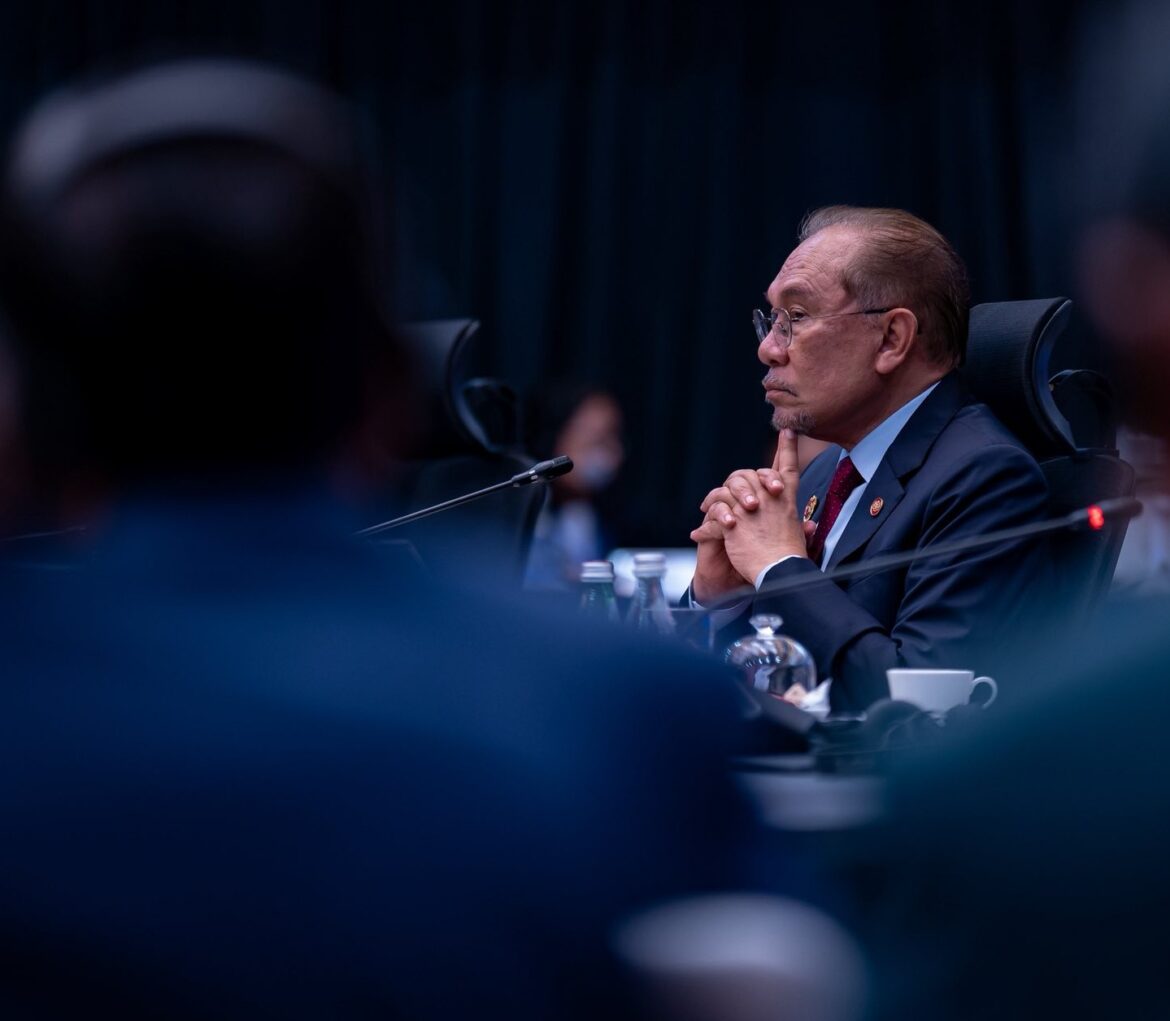

TMC helping Rohingya infiltrators to settle in Bengal – Suvendu Leader of Opposition in West Bengal Assembly Suvendu Adhikari on Saturday accused the Trinamool Congress of “helping” Rohingya infiltrators to […]


