


Episode: KPN 26-01-2026

Repatriation of Rohingya not a forgotten issue Strange are the ways of the world and of some world bodies. During the last Ramadan, standing beside UN Secretary General Antonio Guterres […]


 play_arrow
Episode: KPN 31-10-2026 Kaladan Podcast
 play_arrow
Episode: KPN 30-10-2026 Kaladan Podcast
 play_arrow
Episode: KPN 29-10-2026 Kaladan Podcast
 play_arrow
Episode: KPN 28-10-2026 Kaladan Podcast
 play_arrow
Episode: KPN 27-01-2026 Kaladan Podcast
A devastating fire broke out in the early hours in the Rohingya camps on Tuesday, January 20, 2026, in Ukhiya, Cox’s Bazar. The fire started in one of the blocks in Camp 16, severely affecting hundreds of Rohingya refugee families. The fire completely destroyed 369 shelters and partially damaged 112 shelters. Critical community infrastructure was also damaged, including latrines, bathing cubicles, water points, learning centers, mosques, and solar streetlights, further compounding the humanitarian impact. It is estimated that 2,185 people are directly impacted by the fire and in need of support. No casualties were reported. Fire service officials confirmed that the blaze originated at a learning center and took more than three hours to fully extinguish.
CARE Bangladesh was immediately on the ground to respond. Soon after the fire broke out, 13 staff members and 11 trained volunteers were deployed to support affected families and coordinate with different response teams. Additionally, 158 program participants from CARE were mobilized to clear debris, clear access pathways, and shelter ashes to facilitate early recovery efforts. CARE teams also provided temporary shelter to several displaced Rohingya members in one of its Multipurpose Centers and provided psychosocial support services to affected women and adolescent girls with support from Mukti Cox’s Bazar, a partner organization.
Following a coordination meeting with partners and camp authorities on the same day, CARE Bangladesh committed to supporting the construction of 100–120 new shelters for the fire-affected families. Immediate needs identified include emergency shelter materials, hot meals, hygiene and dignity kits, clean water and bathing facilities, psychosocial and protection services, and the repair/replacement of community infrastructure.
Speaking of the incident, Kaiser Rejve, Head of Programs for Cox’s Bazar, CARE Bangladesh, emphasized the urgency of strengthening fire prevention measures in the camps: “CARE Bangladesh will continue to work collaboratively with government authorities, sector partners, and the Rohingya community to support families affected by this fire. Beyond the immediate response, we are committed to strengthening prevention efforts. Moving forward, CARE will incorporate dedicated fire safety sessions into its shelter upgrade and maintenance module to raise awareness and promote safer practices among the Rohingya community. Preventing future fires is critical to protecting lives, dignity, and the limited assets refugees have managed to rebuild.”
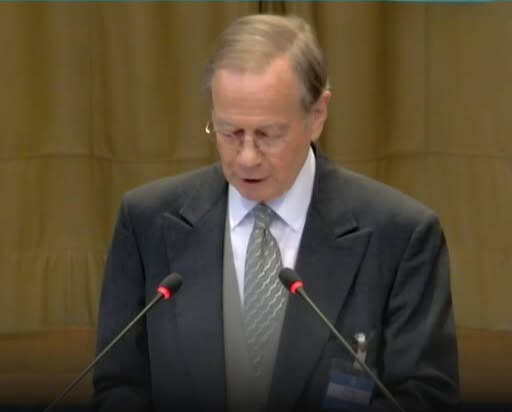

Repatriation of Rohingya not a forgotten issue Strange are the ways of the world and of some world bodies. During the last Ramadan, standing beside UN Secretary General Antonio Guterres […]


