
Episode: KPN 22-07-2025

Rohingya refugees – World must meet funding shortfall The Rohingya crisis, now in its seventh year, continues to test the resilience of the international humanitarian system and the moral conscience […]


 play_arrow
Episode: KPN 05-10-2026 Kaladan Podcast
 play_arrow
Episode: KPN 04-10-2026 Kaladan Podcast
 play_arrow
Episode: KPN 03-10-2026 Kaladan Podcast
 play_arrow
Episode: KPN 02-10-2026 Kaladan Podcast
 play_arrow
Episode: KPN 23-07-2025 Kaladan Podcast
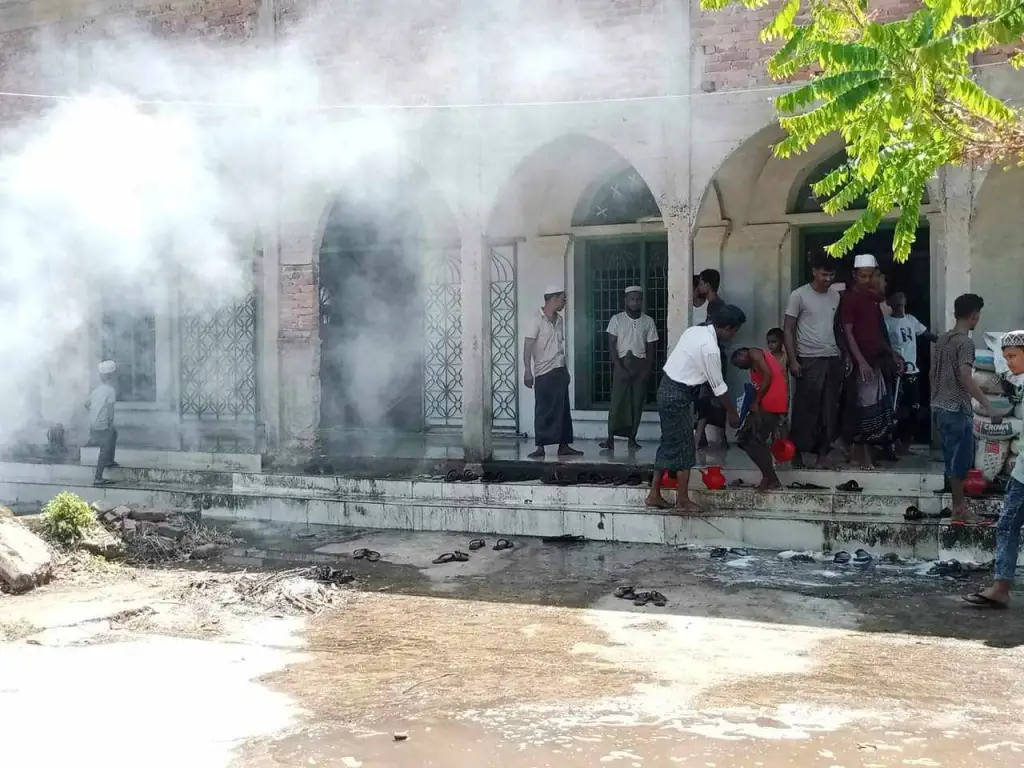
The central mosque of Maungdaw town—one of the oldest and most revered religious sites for the Rohingya Muslim community—remains shuttered under the control of Arakan Army (AA) forces, with local residents barred from entering or maintaining the premises.
Known locally as the Monshi Mosque, the approximately 200-year-old structure is located in Ward No. 2 and holds deep religious and historical significance for the region’s Muslim population. Though briefly reopened by the Myanmar military in April 2024, the mosque was closed once again following the Arakan Army’s capture of Maungdaw later that year. Since then, it has remained inaccessible, even as residents have returned to other areas of the town.
“We pleaded with them just to let us clean it,” said one resident. “We didn’t even ask to hold regular prayers—only to preserve what’s left of our mosque. But they refused every time.”
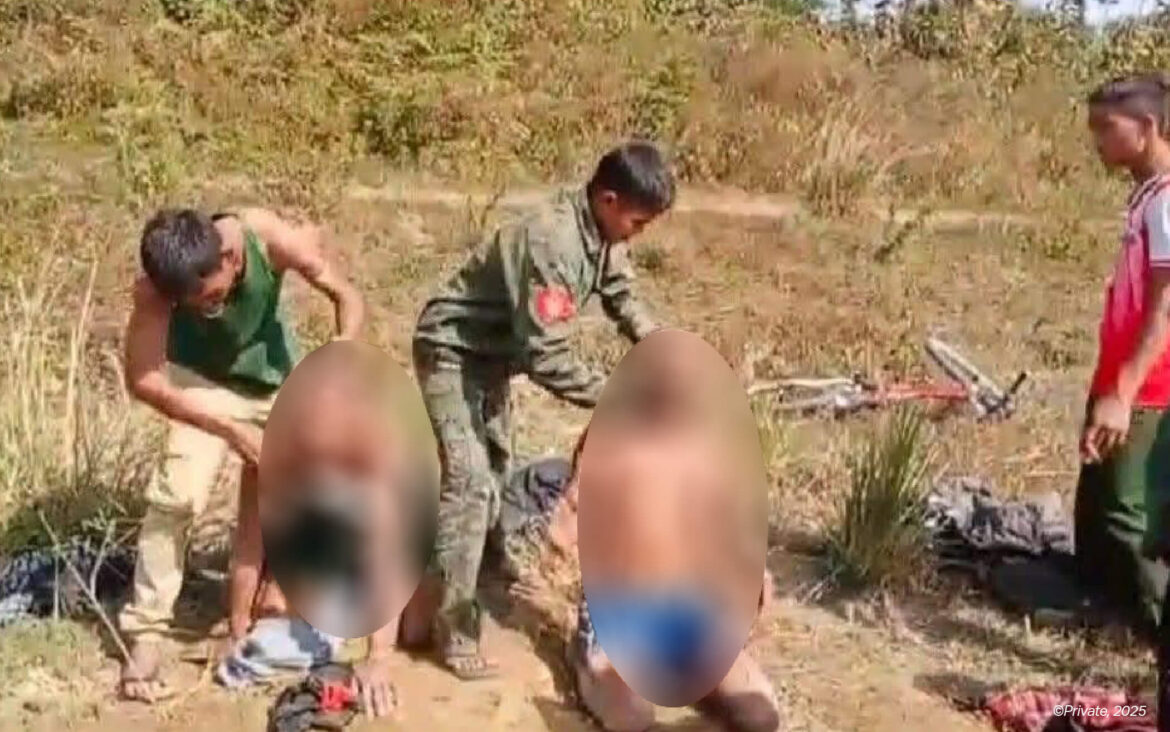
Multiple residents told Rohingya Khobor that AA soldiers have been seen occupying the mosque compound, using its grounds for lodging and walking inside with their boots on—acts considered profoundly disrespectful and desecrating under Islamic norms.
“It’s heartbreaking,” said another local man. “This is not just a building—it is part of our faith, our identity, our history. Yet we are not even allowed to sweep the floors or remove the garbage that has collected.”
The Monshi Mosque was first closed in 2012 amid a wave of communal violence that targeted Rohingya communities throughout Rakhine State. After nearly a decade of neglect, hopes were briefly raised in 2024 when the mosque was reopened by Myanmar authorities. But renewed fighting between AA and the military soon led to a civilian evacuation of the area, followed by AA’s reoccupation of key sites, including the mosque.
In recent months, other religious sites—such as Buddhist monasteries and some local mosques—have reportedly reopened under AA oversight. However, the central mosque remains off-limits, with residents describing its current state as one of decay and disrespect.
Community members say that plants are now growing over the walls, garbage litters the courtyard, and some sections of the building have been defaced with hateful graffiti containing anti-Muslim slurs.
“We don’t understand why they’ve targeted this mosque specifically,” said a third resident. “Even if they don’t let us pray, they should allow us to preserve our heritage.”
The continued closure has caused deep frustration and fear among Rohingya residents, many of whom see this as part of a broader effort to erase the cultural and religious identity of the community from Maungdaw and other parts of northern Rakhine.
Local leaders have called for urgent dialogue between community representatives and the authorities in control of the area to ensure the preservation of this sacred site.
“Religious freedom is not a privilege—it is a fundamental right,” said a local elder. “We are not asking for power. We are asking to protect a piece of our soul.”

Rohingya refugees – World must meet funding shortfall The Rohingya crisis, now in its seventh year, continues to test the resilience of the international humanitarian system and the moral conscience […]