

Episode: KPN 15-05-2026

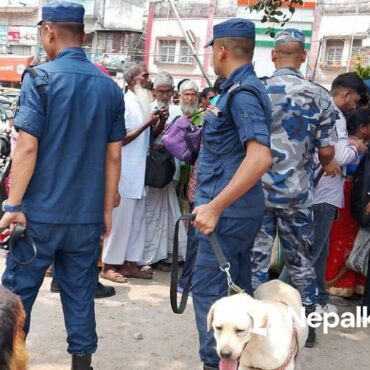
Nepal tightens border security amid concerns over possible Rohingya influx Nepal has intensified security measures along its eastern border with India following concerns over the possible entry of Rohingya refugees […]


 play_arrow
Episode: KPN 20-07-2026 Kaladan Podcast
 play_arrow
Episode: KPN 19-07-2026 Kaladan Podcast
 play_arrow
Episode: KPN 18-07-2026 Kaladan Podcast
 play_arrow
Episode: KPN 17-07-2026 Kaladan Podcast
 play_arrow
Episode: KPN 16-05-2026 Kaladan Podcast
Shopkeepers across Maungdaw Township have reportedly been ordered to pay between 100,000 and 200,000 kyats in taxes after being summoned to the Township Administrator’s Office, according to local business owners.
Residents said the summons was issued on the morning of May 12, when authorities called shopkeepers from several markets across Maungdaw Township, including the Municipal Market, Rohingya Market, Saidan Market, Shwezar Market, and Kyauk Hlar Khar Market.
Local shopkeepers told reporters that officials demanded varying amounts depending on the size of each business. Large shops were reportedly ordered to pay 200,000 kyats, medium-sized shops 150,000 kyats, and small shops 100,000 kyats.
One shopkeeper, speaking on condition of anonymity due to security concerns, said all traders from the affected markets were instructed to gather at the township administrative office where the payments were demanded.
According to local estimates, Maungdaw’s Municipal Market contains more than 380 shops, while Shwezar Market and Kyauk Hlar Khar Market together include around 600 businesses. Nearly 600 shops are reportedly operating across the wider town area. Other commercial areas include approximately 150 shops in Ywa Thit Kay Market, around 100 in Rohingya Market, and about 60 in Kanyindan Market.
Residents say the new tax collections come at a time when businesses are still struggling to recover from heavy losses suffered during fighting in Maungdaw Township.
Local Rohingya traders reported that many shops were looted during the conflict, with some owners losing most of their inventory. According to residents, armed members of the Arakan Army (AA) were present throughout much of the town during the clashes.
After residents were later allowed to return, many Rohingya business owners reopened their shops despite severe financial hardship, often relying on personal savings and selling family gold to restart their businesses.
Shopkeepers allege that officials linked to the AA and the United League of Arakan (ULA) have been collecting taxes from Rohingya-owned businesses on a monthly basis.
Several traders claimed that businesses risk closure if they fail to pay the requested amounts.
“If we cannot pay the taxes, they threaten to shut down our shops,” one Rohingya shopkeeper said, adding that some traders had also faced verbal abuse and intimidation.
Residents further claimed that taxes are now being imposed on small businesses that were previously exempt under the former Myanmar government, including barber shops, motorcycle repair shops, vehicle workshops, and betel nut vendors.
Local residents say Maungdaw’s economy remains severely weakened by conflict and displacement.
“There are almost no buyers and no sellers,” one resident said. “People are only selling whatever they still have left.”
Residents also reported rising prices for basic food items and fish, while many families continue struggling to meet daily living costs amid ongoing economic instability.


Nepal tightens border security amid concerns over possible Rohingya influx Nepal has intensified security measures along its eastern border with India following concerns over the possible entry of Rohingya refugees […]


