

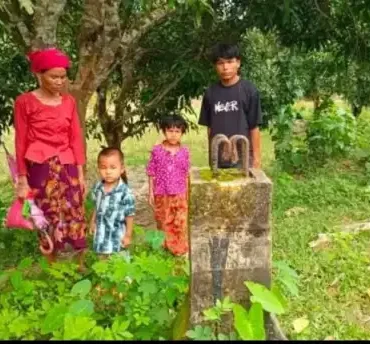
Episode: KPN 10-08-2025

AA allows Daingnet families to return while detaining Rohingya returnees At least 15 Daingnet families, totaling around 71 individuals, have returned from Bangladesh to their homes in Buthidaung and Maungdaw […]


 play_arrow
Episode: KPN 31-10-2026 Kaladan Podcast
 play_arrow
Episode: KPN 30-10-2026 Kaladan Podcast
 play_arrow
Episode: KPN 29-10-2026 Kaladan Podcast
 play_arrow
Episode: KPN 28-10-2026 Kaladan Podcast
 play_arrow
Episode: KPN 11-08-2025 Kaladan Podcast
With the onset of the monsoon season at the end of May, days of intense monsoon rains and high winds have triggered landslides, floods, and widespread damage across the Rohingya refugee camps in Cox’s Bazar, Bangladesh, impacting approximately 65,000 people across 33 camps, according to the Needs and Population Monitoring (NPM) unit of IOM.
By the end of June, over 43,000 people across 17 IOM-managed camps were affected, leaving many families in urgent need of assistance. IOM has been actively engaged in coordinating emergency response efforts in these camps, together with its humanitarian partners and community volunteers. An emergency response protocol involving community volunteers assuming first responder roles has been activated to ensure efficient communication, emergency evacuations and relocations, and execution of rescue operations in support of the affected population. The provision of emergency shelter and shelter repair has been undertaken, together with the restoration of key infrastructure damaged by flooding – cleaning and desilting of drainage, rehabilitation of risky slopes vulnerable to landslides and the restoration of pedestrian and emergency vehicle access to ensure uninterrupted movement for service providers. Approximately 25,000 Rohingya refugees have been mobilized through cash-for-work activities to restore blocked access by clearing fallen trees, landslide, flooding and soil erosion to allow un-interrupted access to essential facilities. Shelter, water and sanitation facilities are also being assessed and repaired.
IOM continues to coordinate closely with government authorities and humanitarian actors to protect lives and restore safe access to services. As the monsoon season advances, slope stabilization, drainage clearance, and promoting awareness of disaster risk reduction will be key to achieving these aims.
Cox’s Bazar is highly vulnerable to natural hazards and face repeated damage from cyclones,
seasonal storms, monsoons, and fires; ensuring suffcient emergency preparedness and
response capabilities is essential to protect the lives and well-being of the Rohingya refugees
and the host communities and we acknowledge with gratitude the donor community’s
continued commitment to supporting humanitarian disaster risk management efforts in the Rohingya Response.

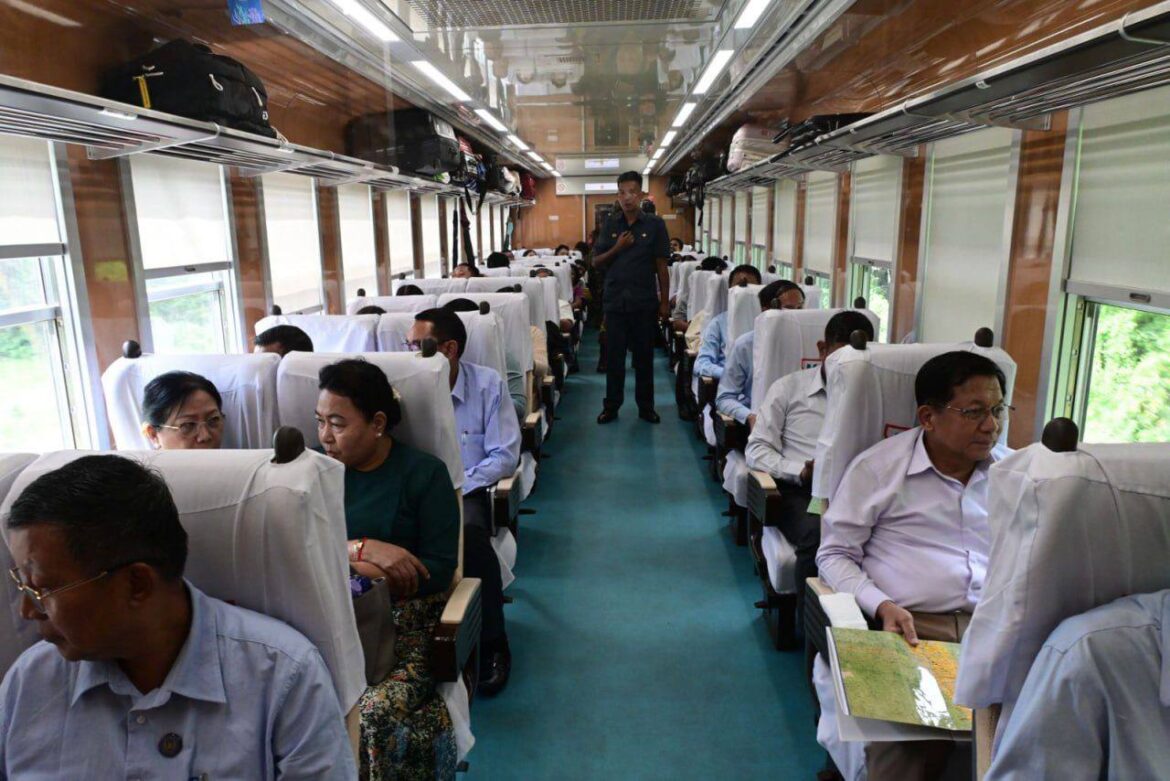

AA allows Daingnet families to return while detaining Rohingya returnees At least 15 Daingnet families, totaling around 71 individuals, have returned from Bangladesh to their homes in Buthidaung and Maungdaw […]


