
Episode: KPN 06-09-2025

Rohingya crisis not a distant issue but ASEAN concern, says APHR The ASEAN Parliamentarians for Human Rights (APHR) on Thursday said the Rohingya crisis is not a distant issue but […]


 play_arrow
Episode: KPN 31-10-2026 Kaladan Podcast
 play_arrow
Episode: KPN 30-10-2026 Kaladan Podcast
 play_arrow
Episode: KPN 29-10-2026 Kaladan Podcast
 play_arrow
Episode: KPN 28-10-2026 Kaladan Podcast
 play_arrow
Episode: KPN 07-09-2025 Kaladan Podcast
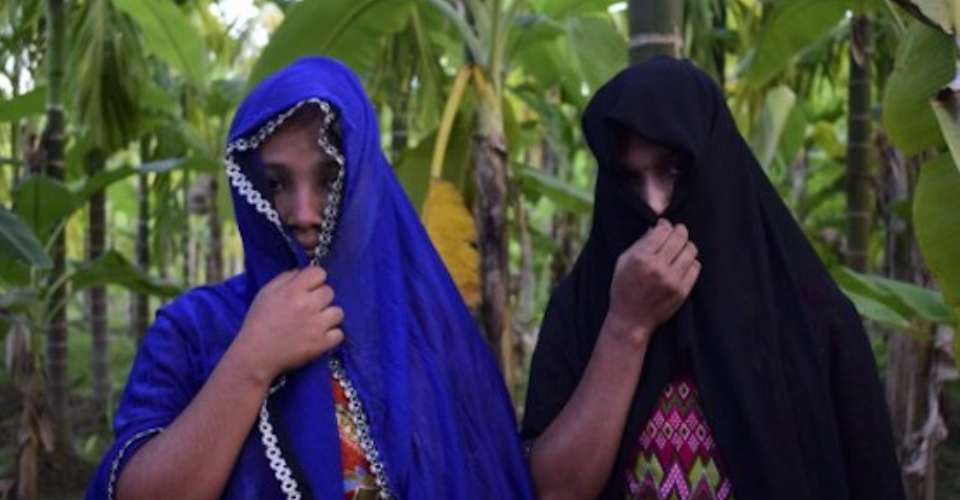
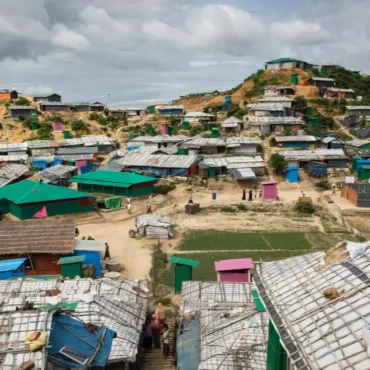
Sexual harassment remains the most pressing concern for Rohingya women and adolescents living in squalid refugee camps in Bangladesh’s Cox’s Bazar, according to a study released Sunday.
Cox’s Bazar is home to around a million largely Muslim Rohingya minority, fleeing a brutal military crackdown in Myanmar’s Rakhine state.
ActionAid – one of the largest non-profits operating in the camps since the influx in 2017 – conducted 66 in-depth interviews, revealing dire challenges faced by women and adolescents.
“Sexual harassment is the biggest concern,” said Tamazer Ahmed, policy, research and advocacy manager at ActionAid.
“Early marriage and polygamy have become normalized, and 93 percent of interviewees remained outside the scope of legal assistance.”
The participants said the violence was meted out not only by men known to their families but also members of the Armed Police Battalion (APBN) – a security force deployed by the Bangladesh government.
Ahmed said women in the camps described a shift in the nature of threats over the years, from lack of basic amenities in the early days to more systemic abuses now.
“Now, Rohingya women and adolescents often fall victim to molestation, rape, trafficking, poverty, educational exclusion, and even death,” Ahmed said.
Girls aged between 6 and 15 were particularly vulnerable, with most incidents of sexual harassment occurring near latrines and bathing points.
They were also vulnerable at distribution centers, hospitals, schools and madrassas, border zones and even within relatives’ homes.
“Patriarchy runs deep in the Rohingya community,” said Farah Kabir, executive director at ActionAid.
“But the views of the Rohingya women, mostly aged 16 to 30 years, were central to the research.”
The women surveyed urged authorities to improve lighting in public areas, replace APBN officers with army personnel, engage men in prevention efforts, and expand access to education and livelihoods.
Trust in law enforcement and religious leaders remained low, with many women saying they had almost nowhere to turn when facing abuse.
Kausar Sikdar, commanding officer of APBN, however said they were not aware of any such allegations against the force.
Bangladesh has recorded a surge of refugees from Myanmar since early 2024, with 150,000 more Rohingya arriving.


Rohingya crisis not a distant issue but ASEAN concern, says APHR The ASEAN Parliamentarians for Human Rights (APHR) on Thursday said the Rohingya crisis is not a distant issue but […]