Episode: KPN 25-10-2026

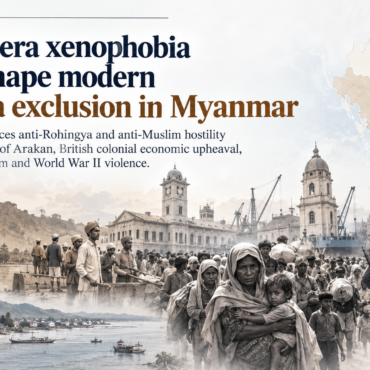
Colonial-era xenophobia helped shape modern Rohingya exclusion in Myanmar, historian argues The persecution and exclusion faced by Rohingya Muslims in Myanmar cannot be understood solely as a modern phenomenon, but […]


 play_arrow
Episode: KPN 31-10-2026 Kaladan Podcast
 play_arrow
Episode: KPN 30-10-2026 Kaladan Podcast
 play_arrow
Episode: KPN 29-10-2026 Kaladan Podcast
 play_arrow
Episode: KPN 28-10-2026 Kaladan Podcast
 play_arrow
Episode: KPN 26-10-2026 Kaladan Podcast
Bangladesh’s State Minister for Disaster Management and Relief, M. Iqbal Hossain, has called for international support to ensure the safe and dignified repatriation of forcibly displaced Rohingya to Myanmar.
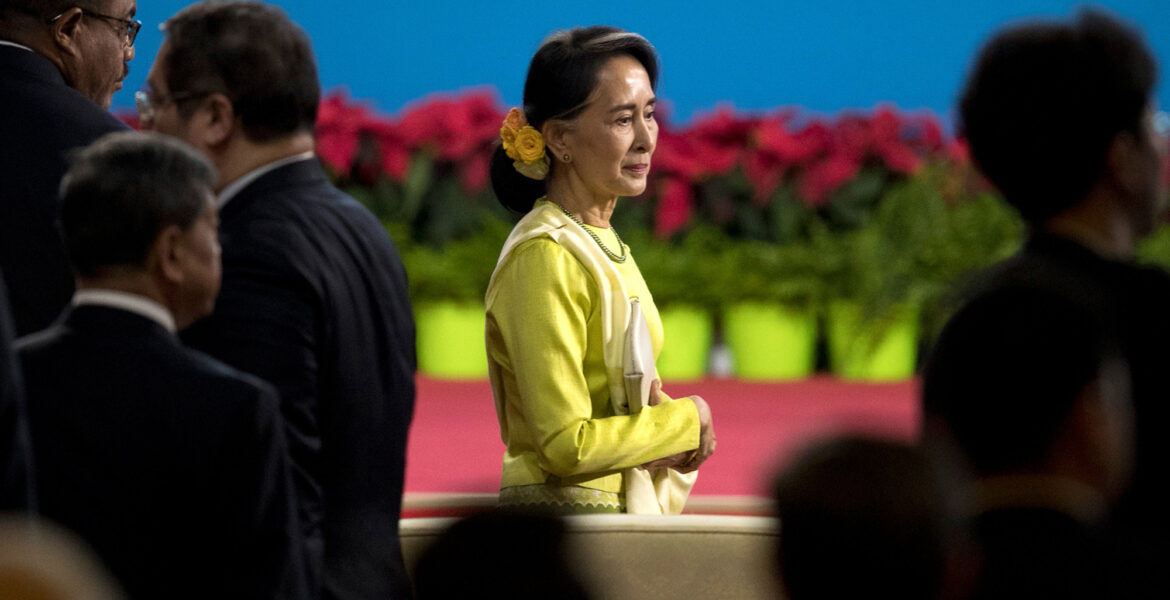
Iqbal made the appeal during a meeting at the Secretariat in Dhaka with a visiting delegation led by Julie Isabel Bishop, the United Nations Special Envoy on Myanmar.
During the meeting, the state minister highlighted the pressure Bangladesh says it faces from hosting a large Rohingya refugee population and stressed the need for greater international involvement in finding a sustainable solution to the crisis.
“Bangladesh is a densely populated country, and the presence of a large number of Rohingya people has a negative impact on the environment and ecology. It also impedes the socioeconomic development of the areas concerned,” Iqbal said.
Bangladesh calls for international support on repatriation
Iqbal urged the international community to provide support toward creating conditions for Rohingya refugees to return safely and with dignity to Myanmar.
Bangladesh has hosted a large Rohingya refugee population following successive waves of displacement from Myanmar, placing sustained pressure on refugee-hosting areas.
The state minister’s remarks emphasized Dhaka’s position that international engagement remains necessary to address the prolonged displacement and facilitate a durable solution.
Safe and dignified repatriation remains a central objective of Bangladesh’s policy toward the Rohingya crisis.
UN Special Envoy thanks Bangladesh for sheltering Rohingya
During the meeting, Bishop expressed gratitude to Bangladesh for providing shelter and hospitality to Rohingya refugees over an extended period.
She also urged Bangladesh to maintain its supportive approach toward the Rohingya until their repatriation could be ensured.
According to the account of the meeting, the UN Special Envoy expressed support for Bangladesh’s position and pledged necessary assistance concerning the Rohingya situation.
The discussion comes as the Rohingya crisis remains unresolved, with sustainable return to Myanmar dependent on conditions that allow refugees to return in safety and dignity.
Pressure on host communities highlighted
Iqbal said the presence of a large refugee population was affecting the environment, ecology and socioeconomic development of refugee-hosting areas in Bangladesh.
Cox’s Bazar and surrounding areas have carried much of the burden of hosting Rohingya refugees, making continued international humanitarian and development support important for both refugee and host communities.
The protracted nature of the crisis has also increased concern over maintaining essential services and humanitarian assistance while a durable political solution remains elusive.
Safe and dignified return remains key objective
The meeting highlighted the continuing focus on repatriation as a long-term solution to the displacement of the Rohingya.
Any sustainable return would require conditions in Myanmar that enable refugees to return safely, voluntarily and with dignity, while ensuring their security and prospects for rebuilding their lives.
Bishop’s call for Bangladesh to continue supporting the Rohingya until repatriation is ensured underscores the need for continued protection and assistance while the displacement remains unresolved.
Disaster Management and Relief Secretary Mohammad Saiful Islam and Refugee Cell Chief Mohammad Nazmul Abedin were also present at the meeting.


Colonial-era xenophobia helped shape modern Rohingya exclusion in Myanmar, historian argues The persecution and exclusion faced by Rohingya Muslims in Myanmar cannot be understood solely as a modern phenomenon, but […]