
Episode: KPN 29-09-2026

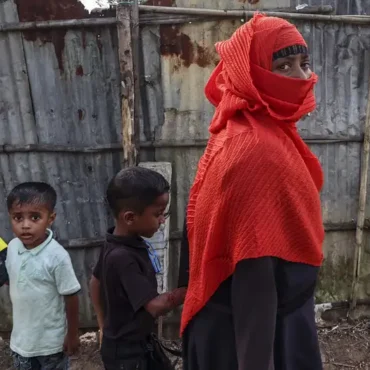
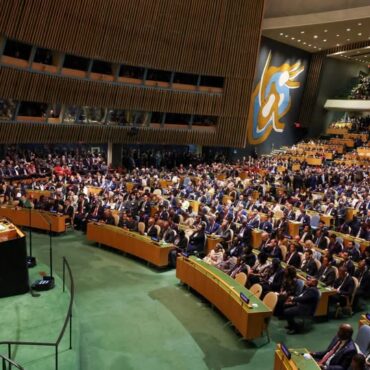
Bangladesh urges UN to bring key players to table for Rohingya repatriation Bangladesh has called on the United Nations to bring Myanmar, regional countries and other influential international actors to […]


 play_arrow
Episode: KPN 30-09-2026 Kaladan Podcast
 play_arrow
Episode: KPN 29-09-2026 Kaladan Podcast
 play_arrow
Episode: KPN 28-09-2026 Kaladan Podcast
 play_arrow
Episode: KPN 27-09-2026 Kaladan Podcast
play_arrow
Episode: KPN 30-09-2026 Kaladan Podcast
Malaysia sends 1,476 Myanmar nationals home as UN raises protection concerns
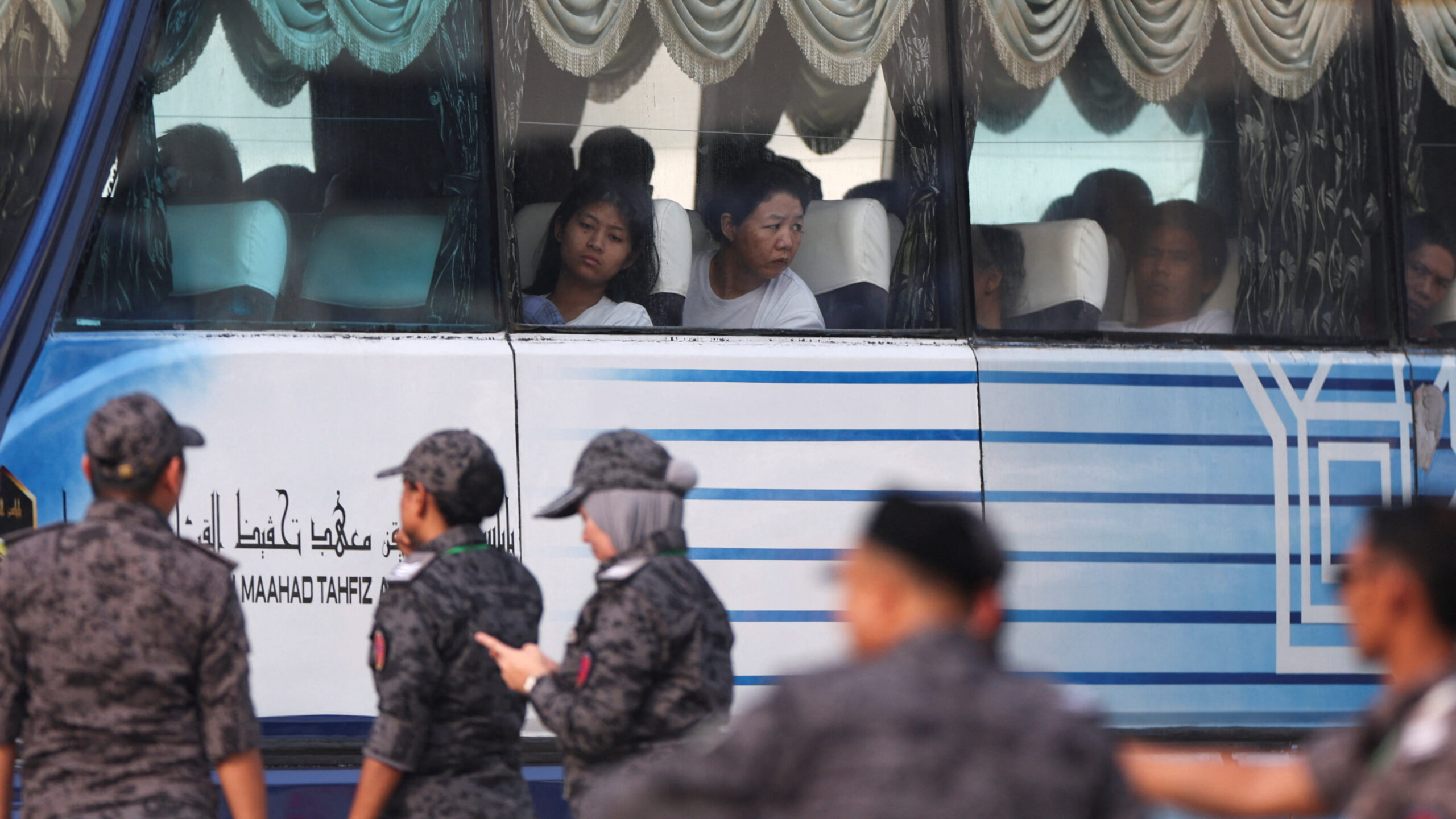
Malaysia has sent 1,476 Myanmar nationals back to their country under the first phase of a government-described “voluntary repatriation” programme, despite concerns from the United Nations and rights groups over whether returns to conflict-hit Myanmar can be considered safe and genuinely voluntary.
The group departed Malaysia on September 29 aboard three Myanmar naval vessels from the Royal Malaysian Navy base in Lumut, Perak, as part of a plan to return 5,000 Myanmar nationals held in immigration detention.
Malaysia’s Home Ministry said the first group consisted of 1,370 men, 79 women, 20 boys and seven girls.
However, Malaysian and Myanmar authorities have not publicly clarified how many, if any, of the returnees are Rohingya — a key concern given the persecution and statelessness the community has faced in Myanmar.
First phase of 5,000-person return programme
Malaysia says the programme is being conducted voluntarily and in stages following an agreement with Myanmar to receive the returnees.
The names of the 1,476 people were provided by Myanmar through an official diplomatic note, according to Malaysian authorities.
The returnees had been held across 14 immigration detention centres before being brought to the Lumut area for processing and departure.
Myanmar deployed two naval vessels and a hospital ship to transport them.
Malaysia said the programme was intended to address what the government described as a longstanding refugee and undocumented migrant issue.
The government says another 3,524 Myanmar nationals have been approved for a second phase of the programme, although the date for their return has yet to be announced.
UNHCR questions whether returns were genuinely voluntary
The UN refugee agency expressed concern a day after the departures, citing Myanmar’s continuing armed conflict and serious human rights and humanitarian conditions.
UNHCR said some of those returned could be people in need of international protection.
The agency also raised questions about Malaysia’s characterization of the operation as voluntary because the returnees had been held in immigration detention.
UNHCR said it did not have access to the individuals before their departure and was therefore unable to assess whether their decisions to return were genuinely free and informed.
The agency stressed the international principle of non-refoulement, under which people should not be returned to a place where they face serious threats to their lives or freedom, persecution, torture or other grave harm.
Were Rohingya among those returned?
For Rohingya communities, one of the most significant unanswered questions is whether any Rohingya were aboard the vessels.
Neither Malaysia nor Myanmar publicly disclosed the ethnic composition of the 1,476 returnees at the time of departure.
That distinction matters because Rohingya continue to face particular protection concerns in Myanmar, including unresolved questions over citizenship, freedom of movement and security.
Malaysia hosts one of Southeast Asia’s largest Rohingya refugee populations.
According to UN figures, more than 215,000 refugees and asylum-seekers are registered with UNHCR in Malaysia, including about 126,000 Rohingya.
Many Rohingya in Malaysia fled persecution and violence in Myanmar, including the military crackdown in Rakhine State in 2017 that drove more than 700,000 people into neighbouring Bangladesh.
Rights groups sought halt to returns
More than 160 civil society organisations had called on Malaysia to halt the return programme pending further consultation and safeguards for those potentially needing international protection.
Their concerns centre on continuing conflict inside Myanmar and whether detainees can freely consent to return while in immigration custody.
Myanmar has been engulfed in armed conflict since the military seized power in a February 2021 coup, with fighting continuing across several parts of the country.
For Rohingya, conditions in Rakhine State remain particularly complex amid conflict, displacement and longstanding restrictions on their rights.
Malaysia defends programme
Malaysia maintains that the returns are voluntary and says its approach balances humanitarian considerations with national security and sovereignty.
Home Minister Saifuddin Nasution Ismail said the government would address the country’s longstanding refugee issue in a systematic and phased manner.
Malaysia is not a party to the 1951 Refugee Convention and does not formally recognize refugees through a domestic asylum framework.
The government has argued that hosting a large refugee and undocumented migrant population has imposed financial and social pressures on the country.
Prime Minister Anwar Ibrahim has also pursued discussions with Myanmar over the return of its nationals.
Protection concerns remain for Rohingya
The return operation comes at a particularly sensitive time for Rohingya refugees across the region.
Hundreds of thousands remain in Bangladesh nine years after the 2017 mass exodus, while others have sought refuge in Malaysia, Indonesia, India and elsewhere.
Many continue to face uncertain legal status, restricted access to employment and education, and the risk of detention or onward movement through dangerous irregular routes.
At the same time, conditions necessary for large-scale voluntary, safe, dignified and sustainable Rohingya repatriation to Myanmar have yet to be established.
The uncertainty over whether Rohingya were included among Malaysia’s first 1,476 returnees therefore raises a fundamental protection question.
Malaysia says the programme is voluntary.
UNHCR says it was unable to independently assess the returnees before departure.
Until the identities, protection status and circumstances of those returned are clarified, questions over whether everyone aboard the vessels could safely return to Myanmar are likely to remain.


Bangladesh urges UN to bring key players to table for Rohingya repatriation Bangladesh has called on the United Nations to bring Myanmar, regional countries and other influential international actors to […]