
Episode: KPN 08-11-2026

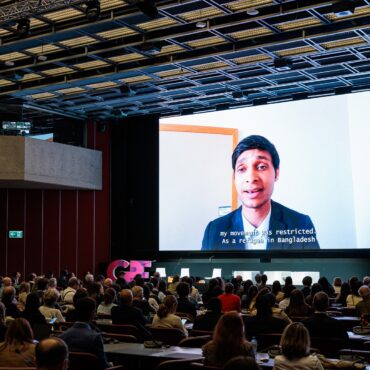
I won a peace prize, but I’m still a Rohingya without a country Receiving an international peace prize bearing Kofi Annan’s name was a profound recognition of my work for […]


 play_arrow
Episode: KPN 15-11-2026 Kaladan Podcast
 play_arrow
Episode: KPN 14-11-2026 Kaladan Podcast
 play_arrow
Episode: KPN 13-11-2026 Kaladan Podcast
 play_arrow
Episode: KPN 12-11-2026 Kaladan Podcast
 play_arrow
Episode: KPN 09-11-2026 Kaladan Podcast
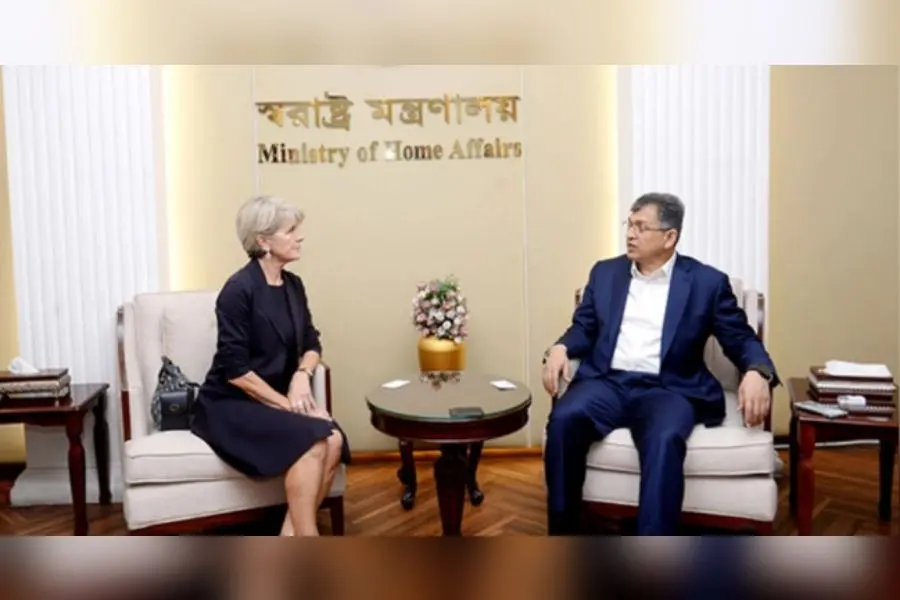
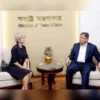
United Nations Special Envoy on Myanmar Julie Bishop and Bangladesh Home Minister Salahuddin Ahmed have discussed the Rohingya crisis and repatriation, stressing the need for political dialogue and international cooperation to create conditions for the safe, dignified and voluntary return of Rohingya refugees to Myanmar.
Bishop, the UN Secretary-General’s Special Envoy on Myanmar, met Salahuddin at his office in the Secretariat in Dhaka on Monday.
The discussions covered Myanmar’s political and security situation, the broader Rohingya crisis and the repatriation process for the refugees, whom Bangladesh officially refers to as Forcibly Displaced Myanmar Nationals (FDMNs).
Salahuddin told the UN envoy that Bangladesh has faced sustained pressure after providing humanitarian shelter to hundreds of thousands of Rohingya displaced by conflict in Myanmar.
He called on the international community to play a more effective role in achieving what Bangladesh describes as a permanent and sustainable solution to the prolonged crisis.
Bangladesh calls for stronger international role
During the meeting, Salahuddin highlighted the challenges Bangladesh has faced while hosting a large Rohingya refugee population over an extended period.
He urged international actors to strengthen their involvement in efforts to resolve the crisis and facilitate a sustainable solution.
Repatriation has remained a central objective of Bangladesh’s approach to the Rohingya crisis, while conditions inside Myanmar continue to be critical to whether refugees can return safely and sustainably.
Both sides emphasized that any return should take place in a manner that is safe, dignified and voluntary.
UN envoy highlights continuing conflict in Myanmar
Bishop briefed the Bangladesh home minister on the continuing conflict and security situation inside Myanmar.
She said she maintains ongoing diplomatic communication with relevant stakeholders in efforts to help end the conflict and protect civilians.
The continuing instability in Myanmar remains a major challenge to establishing conditions conducive to the return of Rohingya refugees.
The discussions emphasized political dialogue as an essential component of efforts to address the broader crisis and create an environment in which displaced Rohingya could return safely.
Landmines along border raise concern
The two sides also expressed serious concern over the prevalence of landmines in border areas.
Landmines and other security threats can create significant risks for civilians living near or travelling through conflict-affected border regions and present additional challenges for any future return process.
The meeting also addressed human trafficking and drug smuggling, with both sides highlighting the regional and international consequences of cross-border criminal activity.
Trafficking and drug smuggling discussed
Bangladesh and the UN envoy raised concerns over human trafficking networks and narcotics smuggling connected to instability in the region.
The prolonged displacement of Rohingya communities and continuing insecurity in Myanmar have created complex humanitarian and security challenges affecting both refugees and surrounding communities.
Both sides stressed the importance of cooperation in addressing these risks while continuing diplomatic efforts toward a longer-term resolution of the Rohingya crisis.
Political dialogue seen as key to conditions for return
Salahuddin and Bishop underscored the need for political dialogue and mutual cooperation to create an environment conducive to Rohingya repatriation.
Their discussions emphasized that return should be safe, dignified and voluntary — principles considered essential for any sustainable repatriation process.
Creating such conditions would require addressing security concerns and the continuing conflict inside Myanmar while ensuring that returning communities can rebuild their lives safely.
The meeting comes as Bangladesh continues to seek stronger international engagement on the Rohingya crisis while the conflict and political instability in Myanmar remain unresolved.
Senior Bangladesh and UN officials attend meeting
Several senior government and United Nations officials attended the meeting.
They included Dr Ziauddin Ahmed, Additional Secretary for Political and Immigration Affairs at Bangladesh’s Ministry of Home Affairs; Rebeka Khan, Joint Secretary of the Political-1 Branch; Carol Flore-Smereczniak, UN Resident Coordinator; Duncan Keith Wilson, Senior Political Affairs Officer; and Juliette Murekeyisoni, UNHCR Deputy Representative.
Key Points
UN Special Envoy Julie Bishop met Bangladesh Home Minister Salahuddin Ahmed in Dhaka.
Discussions covered Myanmar’s political and security situation, the Rohingya crisis and repatriation.
Bangladesh called for a more effective international role in finding a sustainable solution.
Bishop said she remains in diplomatic contact with relevant stakeholders over the Myanmar conflict and civilian protection.
Both sides raised concerns over landmines, human trafficking and drug smuggling.
They emphasized political dialogue and cooperation as necessary to create conditions for return.
Both sides stressed that Rohingya repatriation should be safe, dignified and voluntary.

I won a peace prize, but I’m still a Rohingya without a country Receiving an international peace prize bearing Kofi Annan’s name was a profound recognition of my work for […]