

Episode: KPN 16-06-2025

Sneaked into India decade ago, 22 Rohingyas nabbed in Bengal before escaping to Bangladesh In a situation where Bengal politics is in crescendo over the infiltration issue, the police have […]


 play_arrow
Episode: KPN 15-11-2026 Kaladan Podcast
 play_arrow
Episode: KPN 14-11-2026 Kaladan Podcast
 play_arrow
Episode: KPN 13-11-2026 Kaladan Podcast
 play_arrow
Episode: KPN 12-11-2026 Kaladan Podcast
 play_arrow
Episode: KPN 17-06-2025 Kaladan Podcast
Myanmar is on “a path to self-destruction” if violence in the conflict-wracked Southeast Asian nation doesn’t end, the UN envoy has warned.
Julie Bishop told the UN General Assembly that “alarmingly” the violence didn’t end after a powerful earthquake in late March devastated parts of the capital, Naypyidaw, and the country’s second-largest city, Mandalay, killing more than 3,000 people and injuring thousands more.
Ceasefires announced by some parties have largely not been observed, “embedding a crisis within a crisis,” and people in Myanmar must now deal with the raging conflict and the earthquake’s devastation, Bishop said.
“A zero-sum approach persists on all sides,” she said. “Armed clashes remain a barrier to meeting humanitarian needs. The flow of weapons into the country is fuelling the expectations that a military solution is possible.”
A widespread armed struggle against military rule in Myanmar began in February 2021 after generals seized power from the elected government of Aung San Suu Kyi.
More than 6,600 civilians are estimated to have been killed by security forces, according to figures compiled by non-governmental organisations.
The military takeover triggered intensified fighting with long-established armed militias organised by Myanmar’s ethnic minority groups in its border regions, which have struggled for decades for more autonomy.
It also led to the formation of pro-democracy militias that support a national unity government established by elected lawmakers barred from taking their seats after the army takeover.
More than 22,000 political prisoners are still in detention, Bishop said, including Suu Kyi, who turns 80 on 19 June, and the ousted president, Win Myint.
The UN envoy said she detected “some openness to political dialogue with some regional support, but there is not yet broader agreement on how to move forward.”
In meetings with the country’s leaders, Bishop said she encouraged them to reconsider their strategy, which has left the country more divided.
She also warned against elections, planned for December or January, saying they risk fuelling greater resistance and instability unless there is an end to the violence and they can be held in an inclusive and transparent way.
Bishop said she has been coordinating further action with Othman Hashim, the special envoy for Myanmar from the 10-nation Association of Southeast Asian Nations (ASEAN) and they agreed to visit Myanmar together.
The UN envoy said she had a meeting online on Monday with representatives of the Rohingya minority from Myanmar and Bangladesh.
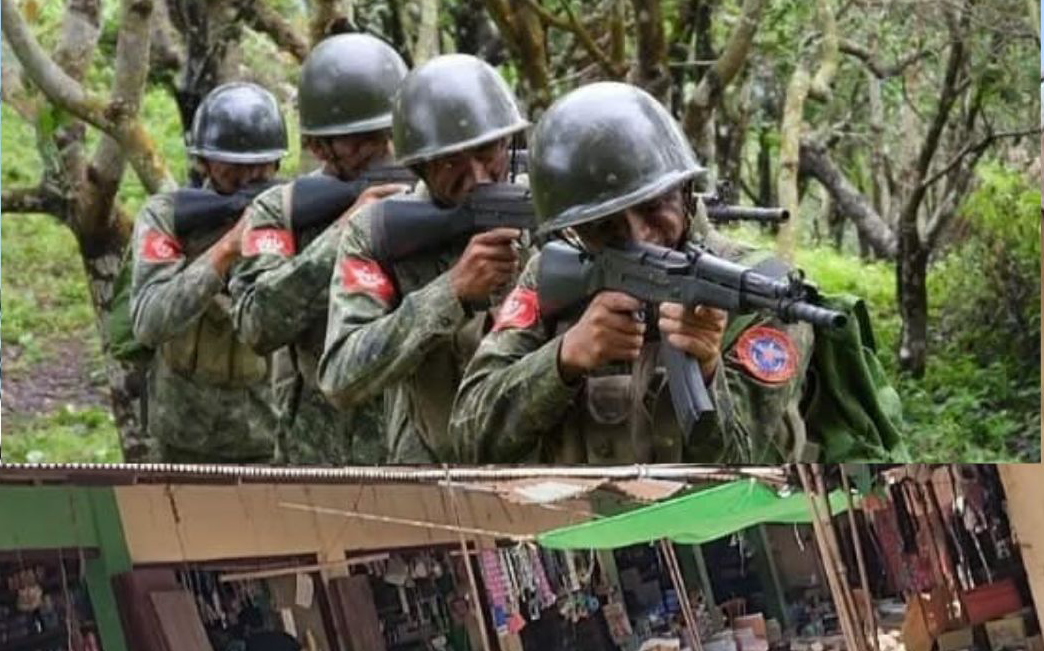
She said the situation for the Rohingya in Myanmar’s northern Rakhine state remains dire, with up to 80% of civilians living in poverty and caught in crossfire between the government’s military forces and the Arakan Army, the well-armed military wing of the Rakhine ethnic minority, and “subject to forced recruitment and other abuses.”
More than 700,000 Muslim Rohingya fled to Bangladesh from Myanmar starting in late August 2017 when Myanmar’s military launched a “clearance operation.”
Members of the ethnic group face discrimination and are denied citizenship and other rights in the Buddhist-majority nation.
Bishop said there’s hope that a high-level conference on the Rohingya and other minorities called for by the UN General Assembly on 30 September will put a spotlight on the urgency of finding “durable solutions” to their plight.
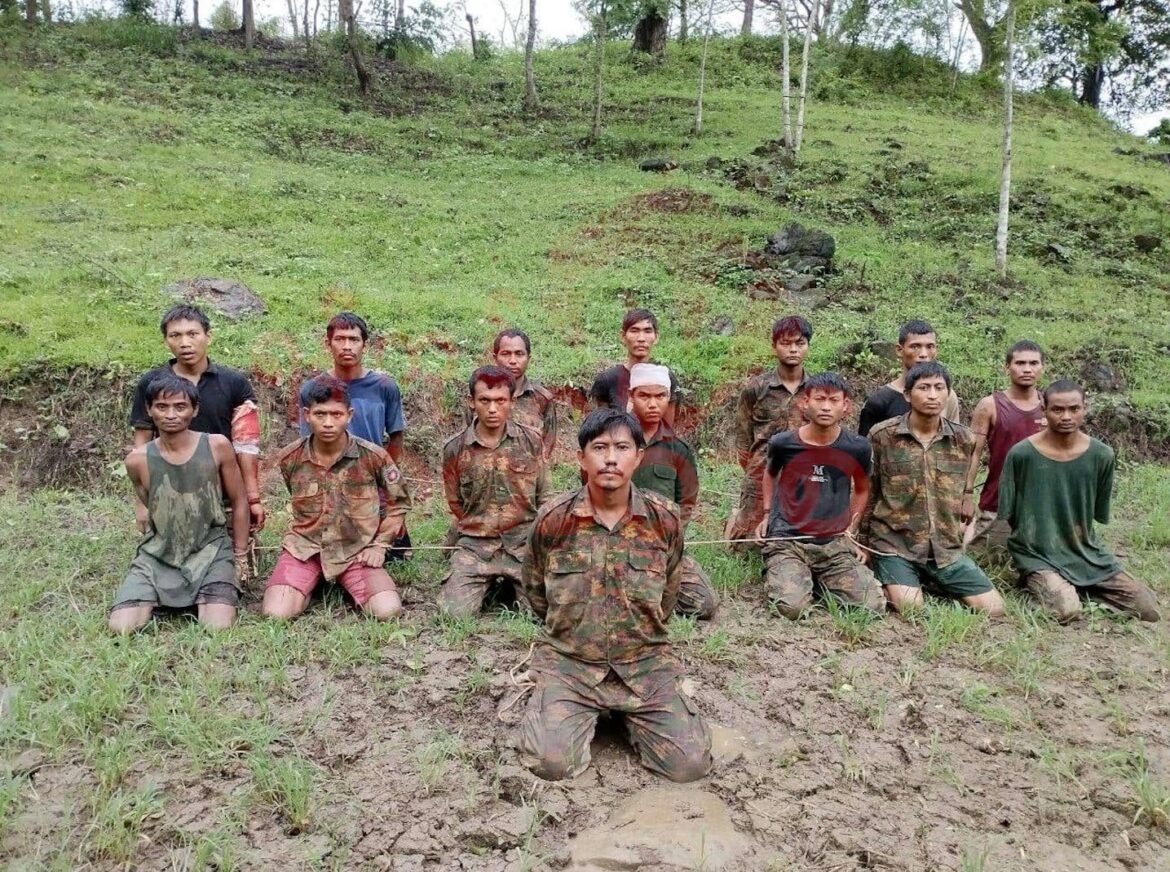

Sneaked into India decade ago, 22 Rohingyas nabbed in Bengal before escaping to Bangladesh In a situation where Bengal politics is in crescendo over the infiltration issue, the police have […]