Episode: KPN 24-09-2026

ICJ may deliver Rohingya genocide case judgment in October, Gambia tells Bangladesh The International Court of Justice (ICJ) may deliver its long-awaited judgment in October 2026 in The Gambia’s genocide […]


 play_arrow
Episode: KPN 30-09-2026 Kaladan Podcast
 play_arrow
Episode: KPN 29-09-2026 Kaladan Podcast
 play_arrow
Episode: KPN 28-09-2026 Kaladan Podcast
 play_arrow
Episode: KPN 27-09-2026 Kaladan Podcast
 play_arrow
Episode: KPN 25-09-2026 Kaladan Podcast
South Korea has contributed US$5 million to the United Nations World Food Programme (WFP) to help sustain food assistance, nutrition services and school feeding for Rohingya refugees in Bangladesh, according to a WFP statement.
The contribution will enable WFP to support more than 462,000 Rohingya, including vulnerable families, pregnant and breastfeeding women, and children attending learning centres, the UN agency said.
The funding was officially announced by South Korea’s Ministry of Foreign Affairs in July and comes as nearly 1.2 million Rohingya in Cox’s Bazar and Bhasan Char continue to depend on humanitarian assistance amid pressure on international funding.
Nutrition support for women and children
Under the assistance, more than 36,000 pregnant and breastfeeding women will receive nutrition support, while approximately 260,000 children attending learning centres will benefit from school feeding, according to WFP.
Through WFP’s e-voucher system, Rohingya families can select food according to their household needs.
Nutrition services will also provide specialised nutritious foods and treatment to pregnant and breastfeeding women when malnutrition is detected.
For children, WFP’s school feeding programme provides fortified food on learning days, aiming both to meet nutritional needs and encourage regular attendance at learning centres.
Funding supports South Korea’s REACH initiative
The contribution will also support the second phase of Responding with Emergency Assistance for Conflict-affected Households (REACH), a humanitarian initiative of South Korea’s Ministry of Foreign Affairs implemented in partnership with WFP.
In Bangladesh, the initiative supports humanitarian assistance for vulnerable communities affected by conflict and displacement.
South Korean Ambassador to Bangladesh Kim Ji-joon said Seoul remained committed to protecting vulnerable communities and contributing to international humanitarian efforts.
“Having once received international support, the Republic of Korea is proud to now stand alongside WFP in supporting people affected by humanitarian crises around the world, including Rohingya refugees in Bangladesh,” Kim said.
WFP calls for sustained international support
WFP Representative and Country Director in Bangladesh Coco Ushiyama stressed the importance of sustained international assistance as the Rohingya crisis approaches its tenth year.
“Continued international support is essential to protect lives, uphold dignity and ensure that children and families can meet their basic food and nutrition needs,” Ushiyama said.
She thanked the South Korean government and people for continuing to support Rohingya refugees at what WFP described as a critical time.
South Korea’s WFP support reaches $11.9 million
South Korea and WFP have worked together for more than six decades, with their partnership dating to 1964.
In Bangladesh, South Korea has provided both cash and in-kind assistance to WFP humanitarian operations.
With the latest US$5 million contribution, South Korea’s cash contributions through WFP’s e-voucher modality for humanitarian operations in Bangladesh have reached US$11.9 million, according to the WFP information provided.
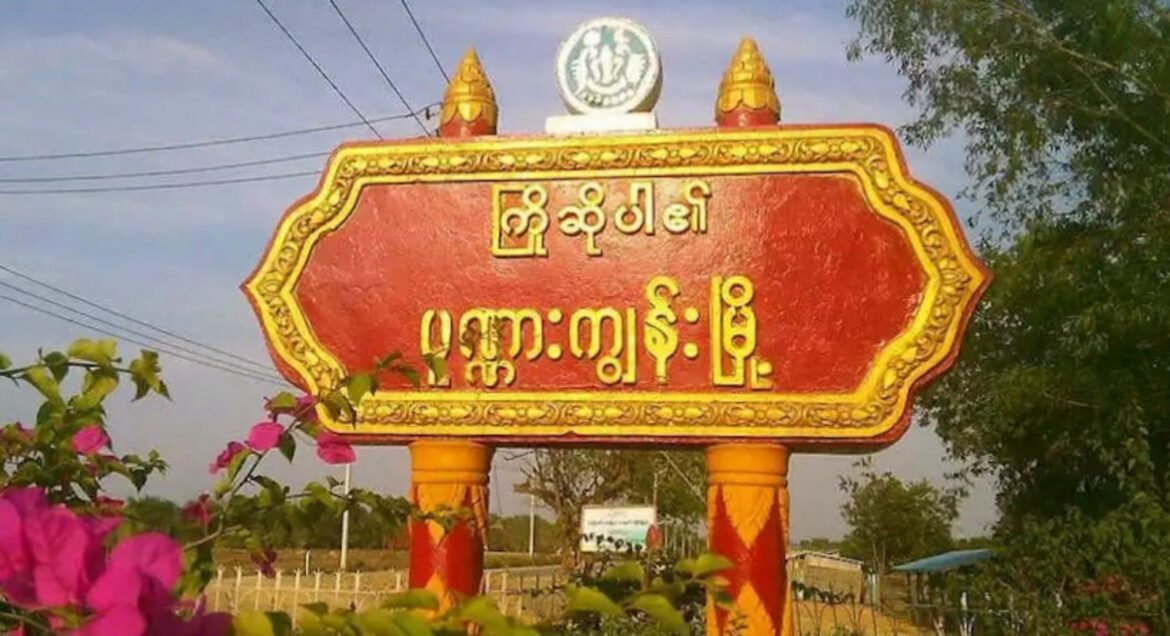
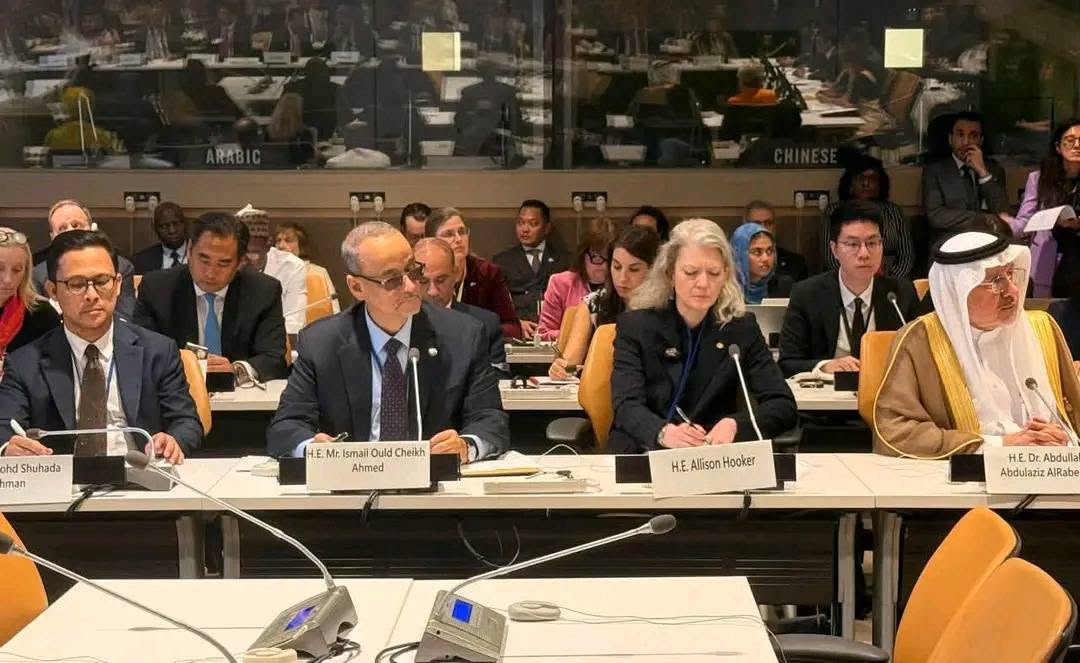

ICJ may deliver Rohingya genocide case judgment in October, Gambia tells Bangladesh The International Court of Justice (ICJ) may deliver its long-awaited judgment in October 2026 in The Gambia’s genocide […]