Episode: KPN 21-06-2025

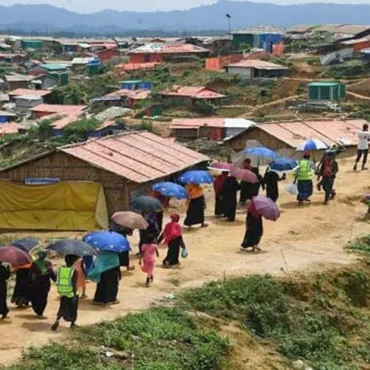
Sweden announces USD 2.1m more for Rohingyas in Cox’s Bazar Sweden has announced an additional contribution of USD 2.1million to support life-saving initiatives and promote green energy solutions for Rohingyas […]


 play_arrow
Episode: KPN 15-11-2026 Kaladan Podcast
 play_arrow
Episode: KPN 14-11-2026 Kaladan Podcast
 play_arrow
Episode: KPN 13-11-2026 Kaladan Podcast
 play_arrow
Episode: KPN 12-11-2026 Kaladan Podcast
 play_arrow
Episode: KPN 22-06-2025 Kaladan Podcast
Feel strongly about these letters, or any other aspects of the news? Share your views by emailing us your Letter to the Editor at letters@scmp.com or filling in this Google form. Submissions should not exceed 400 words, and must include your full name and address, plus a phone number for verification
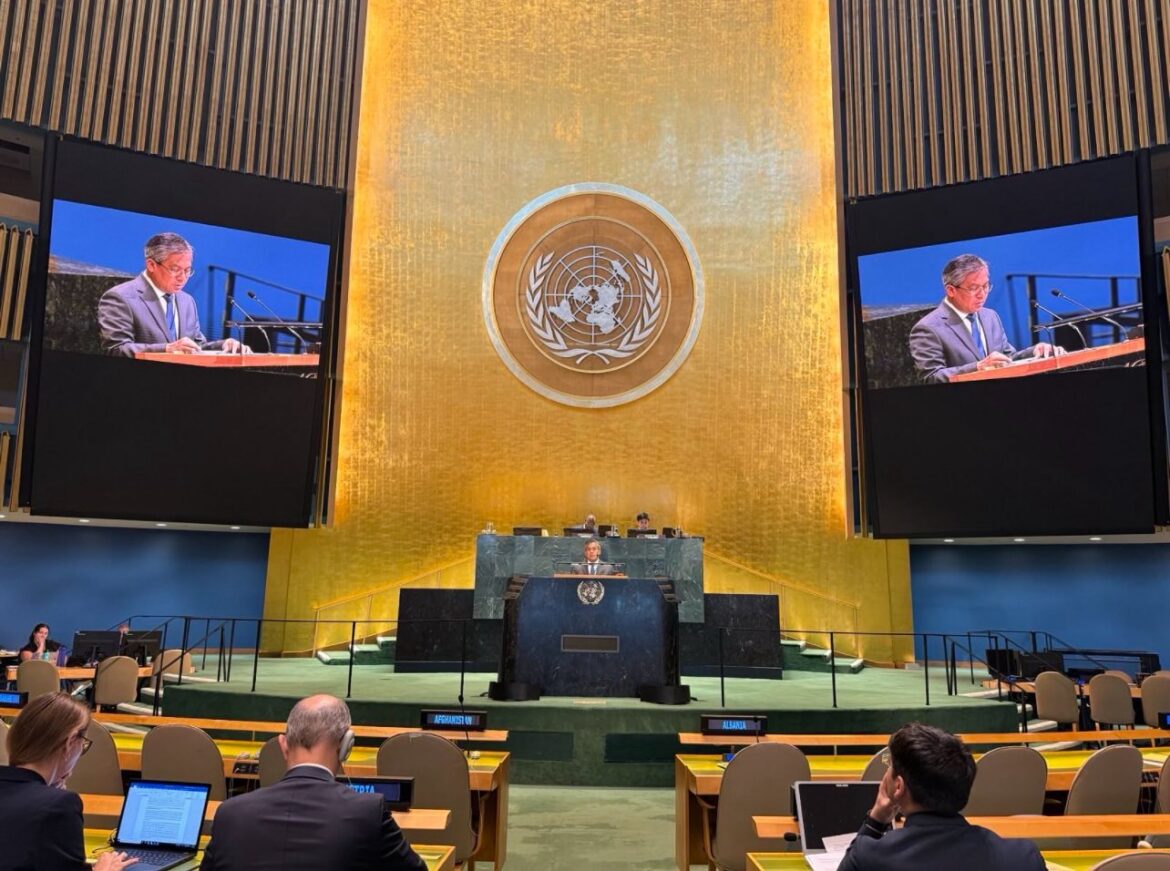
On September 30, the UN will hold a high-level conference on the Rohingya crisis. This conference is seen as a key moment to resolve one of the world’s worst humanitarian tragedies. It is expected to be convened by Ambassador Philemon Yang, president of the United Nations General Assembly. But success will depend on more than speeches; it must lead to real, lasting action.
The Rohingya people, mostly Muslims, have suffered for years. About 1 million fled to Bangladesh after violent attacks in 2017. Another 600,000 remain in Myanmar, living in poverty and fear. They have been denied citizenship and basic rights. Many face food shortages, forced military recruitment and other atrocities. Their future remains uncertain.
This coming conference began taking shape after the 2024 UN General Assembly. There, Bangladesh’s Chief Adviser, Muhammad Yunus, called for global action. A UN resolution followed, and Bangladesh has since played a key role.
Myanmar’s internal situation has only worsened. Since a military coup in 2021, more than 6,000 civilians have died. According to a local monitoring group, about 22,000 people have been jailed for political reasons. A major earthquake in March this year brought no pause to the violence. Civil war continues, and the military junta refuses to step back. Amid the chaos, the Rohingya are more vulnerable than ever.
To succeed, the conference must meet four urgent goals. First, it must set a clear and enforceable plan for the Rohingya to return home safely and with dignity. This means deadlines, international oversight and strong guarantees.
Second, it must solve the root problem: the Rohingya must be recognised as citizens of Myanmar. Without legal rights, no return will be meaningful.
Third, aid must reach those still in Rakhine state. Countries like China and Asean members must help ensure humanitarian access.
Fourth, the international community must pressure Myanmar’s military. This includes sanctions, diplomatic isolation and strong, united messaging from UN and Association of Southeast Asian Nations envoys.
Most importantly, Rohingya voices must be included in all decisions. Their future cannot be decided without them. Major global powers, including the US, China and the European Union, must stop avoiding hard choices. The cost of inaction is too great. This conference is a test. The world must not fail.
M.A. Hossain, Dhaka, Bangladesh
In Asia, solving the climate crisis means improving governance
Asia’s megacities – including Jakarta, Manila and Mumbai – are at the epicentre of the climate crisis. Sea-level rise, catastrophic weather events and escalating heatwaves imperil lives, livelihoods and infrastructure. Governments are racing to construct sea walls, retrofit existing buildings and improve emergency systems. But the crucial question is: can these cities ever become climate-resilient without substantive political reform?
Governance is at the core of the problem. Asian megacities are beset by weak authority, poor local institutions or inadequate public engagement in decision-making. Climate resilience requires long-term thinking, inter-agency coordination and participatory planning. However, political systems in some Asian countries favour short-term rewards, populist policies or elite preferences.
For instance, in Karachi, uncontrolled urban sprawl, associated with politically influential real estate groups, erodes flood prevention efforts. The concerns of the urban poor – who are the most affected by climate – are systematically excluded from urban planning processes.
Corruption and transparency deficits also impede climate adaptation. Too often, green infrastructure projects or disaster preparedness funds end up being sidetracked or wasted.
Some policymakers prefer to invest in “smart cities” or “carbon-neutral” projects – instead of responding to underlying weaknesses like poor drainage or flood-prone housing. Without political reform that promotes accountability and strengthens local governance, these initiatives will have limited impact.
Climate resilience is as much about social equity as it is about infrastructure. Political reform that deepens democratic engagement, protects press freedom and encourages an active civil society is essential to ensuring that resilience measures are fair and inclusive.
When citizens are able to question, criticise and shape climate policies, it will ensure those policies are more equitable and effective. Change can be radical and confrontational, but it doesn’t have to be. Incremental changes – such as empowering municipal councils, making budgets more transparent or involving citizens more – can contribute to real climate resilience.
On the contrary, top-down, opaque and unresponsive governance will make cities progressively more vulnerable. Asia’s megacities cannot be made climate-resilient by infrastructure alone. Political reform – based on transparency, accountability and people’s participation – must be the priority. Otherwise, even the most ambitious climate adaptation schemes will be structurally weak, socially unjust and ultimately unsustainable.
Mohammad Taha Ali, New Delhi
New war might inspire a flight to US assets
If a war should break out globally in 2025, investors would reassess their emerging market exposures and might move money back into United States government securities.
The only winner in a war would probably be the US dollar and safe-haven US assets. Global investors should reassess their investments in case we have a third world war on our hands.
Rishi Teckchandani, Mid-Levels


Sweden announces USD 2.1m more for Rohingyas in Cox’s Bazar Sweden has announced an additional contribution of USD 2.1million to support life-saving initiatives and promote green energy solutions for Rohingyas […]